
Pride & Prejudice
2005
No user ratings available yet
Representation score: 2.5 out of 10
Representation Score
Minimal
1940
NRDirector
Robert Z. Leonard
Runtime
118 minutes
Average Rating
No ratings yetNew Showbiz Analysis
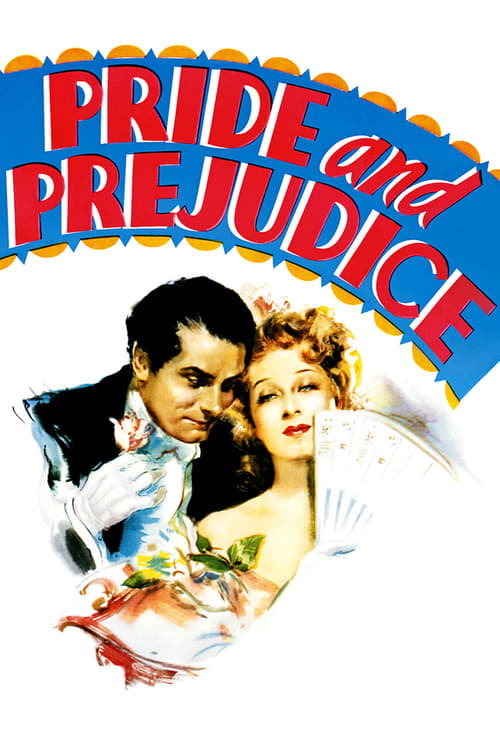
This 1940 production is a classic period drama that emphasizes traditional storytelling and social hierarchies. It celebrates the decorum and class distinctions of the Regency era while maintaining the status quo. Although Elizabeth Bennet's wit and independence offer a contrast to the passive female stereotype, the film remains confined to established norms. It reflects the cinematic standards of its time, focusing on the English landed gentry without addressing broader diverse identities or social critiques.
Category Breakdown
The movie focuses solely on romantic relationships between men and women, with no representation of non-straight or non-cisgender identities.
Elizabeth Bennet stands out by her wit and verbal independence, which subverts the typical passive female role. However, her influence is ultimately directed towards securing a high-status marriage.
The cast is uniform, reflecting the cultural limitations of 1940s Hollywood. There is no ethnic diversity or actors playing roles outside their traditional backgrounds.
The film highlights traditional Western social structures, emphasizing proper behavior and class distinctions. It upholds the status quo without offering a critical perspective on societal issues.
There are no visible or hidden disabilities shown in the main storyline. All characters conform to standard physical and mental norms.
Present on Screen
Limited or Absent
Official Synopsis
In early 19th century England, Mr and Mrs Bennet's five unmarried daughters vie for the affections of rich and eligible Mr Bingley and his status-conscious friend, Mr Darcy, who have moved into their neighbourhood. While Bingley takes an immediate liking to eldest daughter Jane, Darcy has difficulty adapting to local society and repeatedly clashes with second-eldest Elizabeth.
2005
1955
2004
1953
1995
1955
1945
1958
No reviews yet. Be the first to share your thoughts on this movie!
Use the rating form above to leave a star rating and optional review.