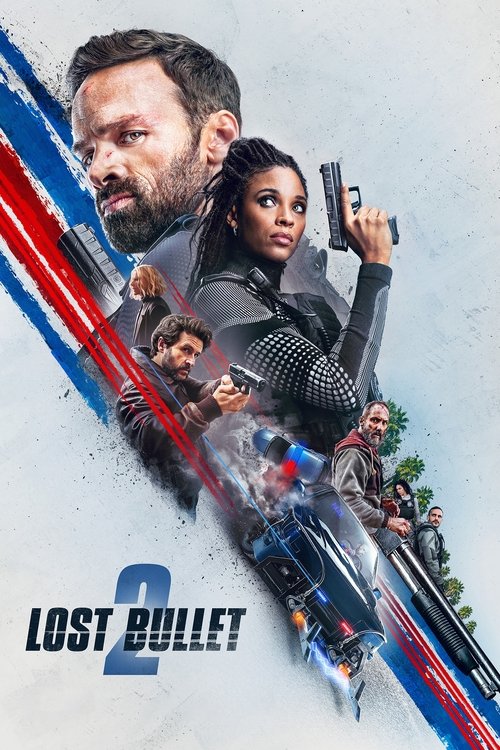
Lost Bullet 2
2022
No user ratings available yet
Representation score: 1.3 out of 10
Representation Score
Limited
2025
TV-MADirector
Guillaume Pierret
Runtime
111 minutes
Average Rating
No ratings yetNew Showbiz Analysis
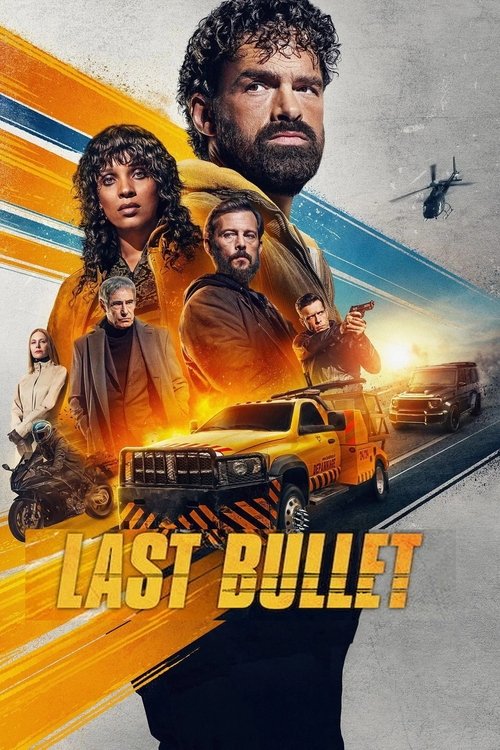
Last Bullet operates within high-octane action conventions, emphasizing vehicle spectacle over sociopolitical depth. While the cast features notable ethnic diversity, particularly through North African and mixed-heritage actors, these roles largely follow traditional genre formulas. The narrative structure upholds conservative moral frameworks, focusing on individual retribution rather than systemic critique. Gender dynamics remain strictly traditional, with male protagonists driving the plot through physical strength while female characters serve as passive emotional stakes. The absence of LGBTQ+ representation and disability inclusion further restricts the film's progressive engagement. Diversity is mostly surface-level, reflecting casting choices without substantive narrative challenges to societal norms. Ultimately, the film offers moderate ethnic visibility but lacks depth in other areas. Relying on hyper-masculine and straight-centered archetypes keeps the story within conventional boundaries, resulting in a moderate overall assessment.
Category Breakdown
The film does not include any LGBTQ+ representation, sticking to traditional heterosexual relationships. Areski’s romance with Mathilde serves as a typical emotional anchor, with no depiction of non-traditional gender identities or same-sex relationships.
Gender roles in the film reinforce traditional hierarchies, with Lino embodying a strong, masculine role. Female characters like Mathilde play supporting or victimized roles, serving as emotional stakes rather than having their own choices or driving the plot.
The film includes meaningful ethnic diversity through casting, featuring actors like Ramzy Bedia and Alban Lenoir. Areski’s portrayal by an actor of North African descent adds visibility, though this inclusion remains within traditional power dynamics without challenging racial stereotypes or providing deeper layers of identity.
Cultural representation is limited, adhering to Western institutional frameworks. The narrative validates personal revenge and meritocracy, reinforcing conservative ideals rather than exploring systemic issues or diverse moral viewpoints.
The film lacks any significant representation of visible or invisible disabilities. Characters are shown as physically capable and mentally resilient, reinforcing an able-bodied ideal through action sequences without presenting alternative perspectives on human capabilities or neurodiversity.
Present on Screen
Limited or Absent
Official Synopsis
Car genius Lino returns to conclude his vendetta against Areski and the corrupt commander who ruined their lives in this turbo-charged trilogy finale.
2022
2017
2025
2023
2020
2010
2025
2028
No reviews yet. Be the first to share your thoughts on this movie!
Use the rating form above to leave a star rating and optional review.