
L'Odissea
1911
No user ratings available yet
Representation score: 0.8 out of 10
Representation Score
Minimal
1954
Not RatedDirector
Mario Camerini
Runtime
100 minutes
Average Rating
No ratings yetNew Showbiz Analysis
Mario Camerini’s *Ulisse* is a product of its era, functioning as a conventional social comedy that mirrors the traditionalist hierarchies of 1950s Italy. While it offers a glimpse into mid-century social norms, it lacks any modern intentions towards inclusive representation. The film relies on established romantic clichés and demographic uniformity, avoiding any critique of traditional social and racial structures. Ultimately, the work serves as an accurate reflection of Italian domestic production during the mid-20th century, prioritizing traditional social stability over progressive representation.
Category Breakdown
The film follows the heterosexual norms of 1950s European cinema, with no depiction of same-sex relationships or non-binary gender identities.
Female characters play significant roles through social interactions and romantic choices, yet the film upholds traditional gender roles and romantic comedy dynamics.
The production reflects the predominantly white demographics of mid-century Italian cinema, without efforts to cast actors from diverse backgrounds.
The story explores everyday life within established social institutions and traditional norms, mirroring the cultural stability of the period without questioning religion.
There are no characters with visible or invisible disabilities, nor are such characters used as plot devices.
Present on Screen
Limited or Absent
Official Synopsis
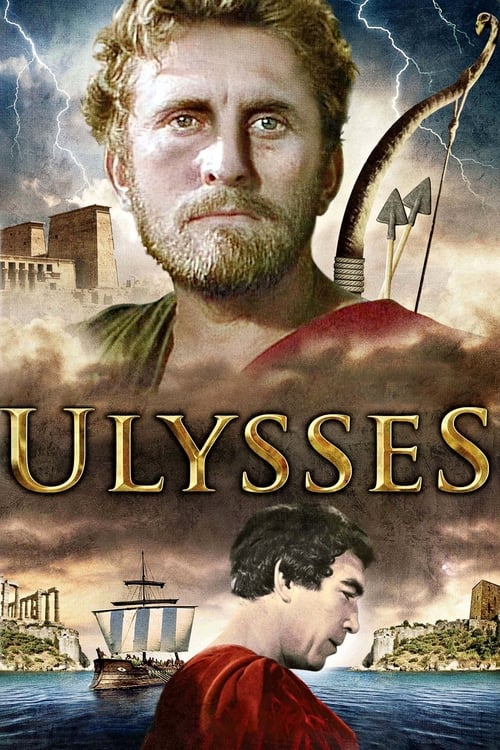
A retelling of Homer's The Odyssey, focusing on Ulysses's ten-year journey home to Ithaca following the Trojan War, where he faces various mythical challenges while his wife Penelope fends off suitors.
1911

1994
2008

1994
1997

2024
2026
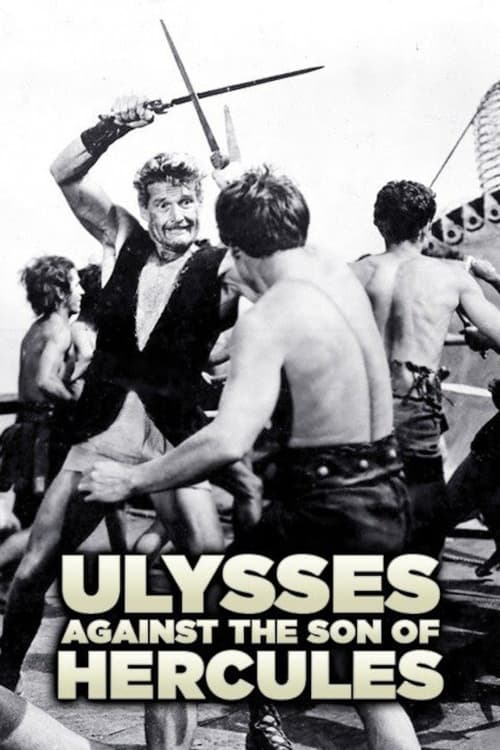
1962
No reviews yet. Be the first to share your thoughts on this movie!
Use the rating form above to leave a star rating and optional review.