How Gay Is Pakistan?
2015
No user ratings available yet
Representation score: 7.0 out of 10
Representation Score
Good
2020
Director
Graham Kolbeins
Runtime
99 minutes
Average Rating
No ratings yetNew Showbiz Analysis
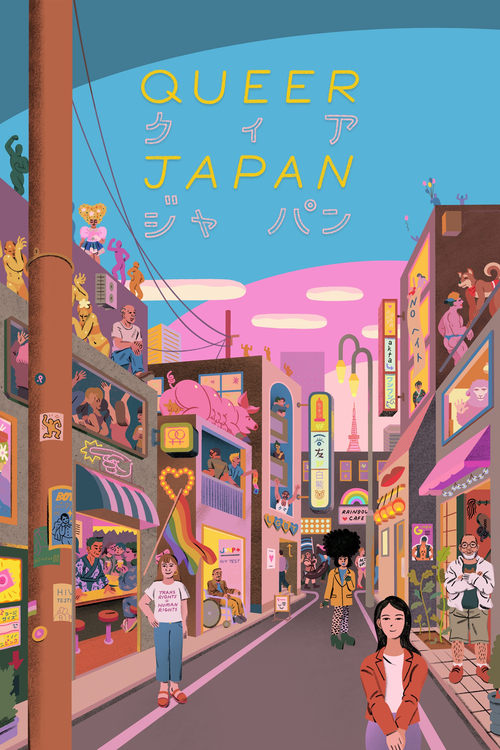
Queer Japan is a crucial piece of ethnographic documentation that centers underrepresented communities. By focusing on artists and activists, the film allows its subjects to drive the narrative through their own activism and artistry. The documentary successfully challenges conventional expectations of social cohesion in Japan. It goes beyond simple inclusion to provide a nuanced look at how overlapping identities navigate and reshape established cultural landscapes. While the film excels in representing LGBTQ+ and gender-diverse identities, its racial diversity is focused specifically on Japanese national identity, providing deep insight into a cultural intersection often overlooked by mainstream media.
Category Breakdown
The film focuses on the lives of LGBTQ+ individuals, using their identities to explore contemporary Japanese society. It challenges the assumption that everyone is straight or cisgender.
The documentary highlights individuals who challenge traditional gender roles. It provides a platform for those who do not conform to typical gender expectations, showing how they navigate societal norms.
The cast is mainly made up of Japanese nationals. Diversity is seen through the intersection of queer identity and Japanese ethnicity, rather than a mix of different ethnic backgrounds.
The film critiques the pressures of conformity within Japanese society. It presents a varied view of identity that challenges the idea of a single, uniform cultural perspective.
There is no specific evidence regarding the inclusion of characters with visible or invisible disabilities in the film.
Present on Screen
Limited or Absent
Official Synopsis
Trailblazing artists, activists, and everyday people from across the spectrum of gender and sexuality defy social norms and dare to live unconventional lives in this kaleidoscopic view of LGBTQ+ culture in contemporary Japan.
2015

2017
2013

2019

2005
2021
2016

2009
No reviews yet. Be the first to share your thoughts on this movie!
Use the rating form above to leave a star rating and optional review.