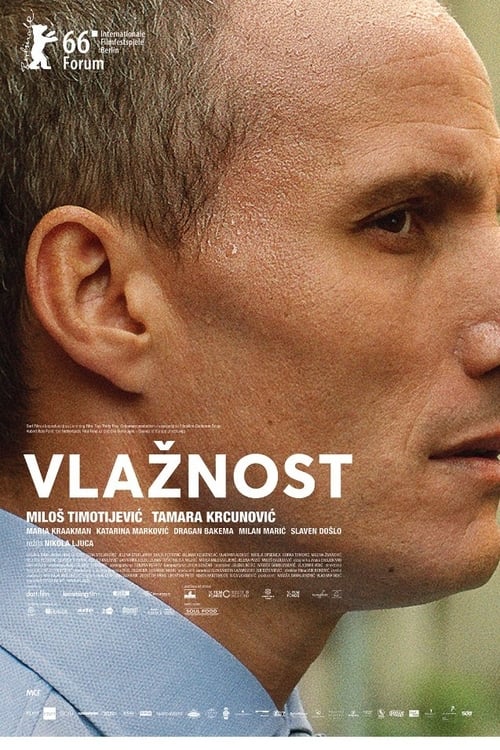
Humidity
2016
No user ratings available yet
Representation score: 7.0 out of 10
Representation Score
Fair
2008
Director
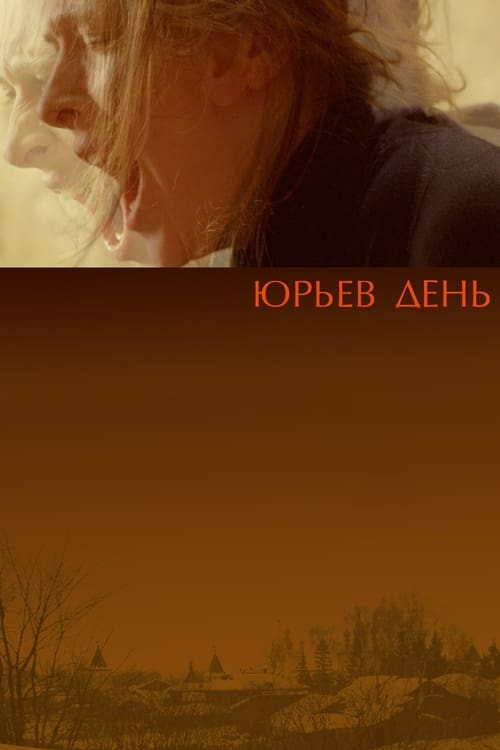
Kirill Serebrennikov
Runtime
134 minutes
Average Rating
No ratings yetNew Showbiz Analysis
Kirill Serebrennikov’s film is a sophisticated exploration of identity formation during the Soviet Union’s twilight years. By centering queer intimacy and emotional vulnerability, the film challenges traditional expectations of sexuality and gender. The work also dismantles rigid masculine ideals, focusing instead on the emotional depth and fluidity of male characters. However, the film maintains a homogeneous cast that reflects its specific historical context, limiting its exploration of racial and ethnic diversity.
Category Breakdown
The film focuses on the sexual awakening of its main character, exploring the psychological complexities of same-sex intimacy within a society that heavily surveils its citizens. Queer identity is central to the story, not just a minor subplot.
The narrative challenges traditional Soviet masculine stereotypes by highlighting emotional sensitivity and fluidity among male characters. It emphasizes the internal world of the male protagonists over the typical stoic masculinity.
The cast remains relatively homogeneous, reflecting the specific socio-political landscape of the 1984 Soviet Union. The story focuses on class and ideological tensions rather than ethnic intersectionality.
The film criticizes state institutions, presenting Soviet bureaucracy as an oppressive force that restricts individual freedom. It portrays the pursuit of personal desires as a form of rebellion against the corrupt system.
There are no significant portrayals of physical or neurodivergent disabilities that play a central role in the plot.
Present on Screen
Limited or Absent
Official Synopsis
Before leaving Russia and moving to Western Europe, famous opera singer Lyuba travels to her hometown to say goodbye and show her teenage son around. But Andrey, Lyuba’s son, disappears and she must stay in the place she hates the most to search for him. A piercing exploration of identity and transformation, against the backdrop of a Russian hinterland, surrounded by Orthodox churches and snow.
2016

2007
2018
2024

2017
2009

2009

2015
No reviews yet. Be the first to share your thoughts on this movie!
Use the rating form above to leave a star rating and optional review.