Indecent Behavior II
1994
No user ratings available yet
Representation score: 3.6 out of 10
Representation Score
Good
2016
Director
Brigitte Bertele
Runtime
90 minutes
Average Rating
No ratings yetNew Showbiz Analysis
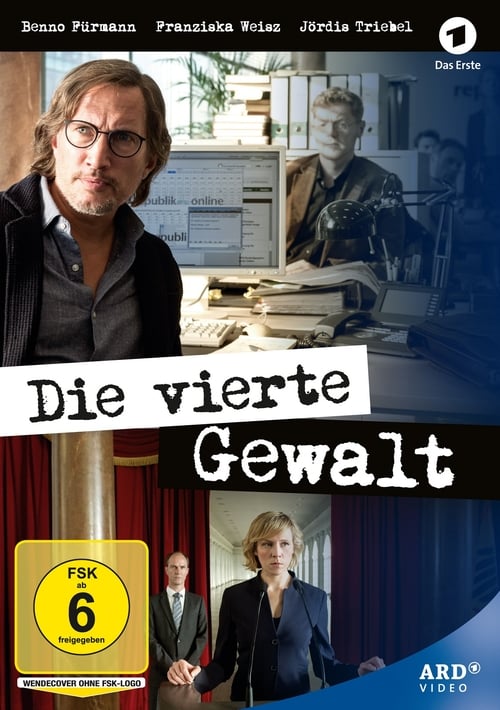
Die vierte Gewalt is a sophisticated procedural that prioritizes deconstructing institutional authority over overt demographic representation. It functions as a critique of the modern media landscape and the fragility of truth within political hierarchies. The film's progressive value lies in its narrative structure, which challenges the reliability of Western political and media institutions. It moves away from the 'heroic journalist' cliché to present a complex, non-heroic view of investigative journalism. While the film succeeds in portraying women's ability to drive the story in high-stakes environments, it remains traditional regarding racial and LGBTQ+ depictions.
Category Breakdown
The film does not include any explicit LGBTQ+ characters or narratives. The story focuses on professional and political settings.
Women play significant roles in politics as high-ranking figures like Elisabeth Stade and Katharina Pflüger. This challenges traditional gender hierarchies within the thriller genre.
The narrative centers on German political and media institutions. There is no evidence of intentional diverse casting or blending of ethnicities.
The film critiques Western power structures by depicting the relationship between the state and media as potentially corrupt. It explores moral relativism within these institutions.
A medical crisis involving a heart transplant serves as a plot catalyst. However, illness is used to drive corruption rather than to explore lived experiences.
Present on Screen
Limited or Absent
Official Synopsis
Freelance journalist Jan Schulte hopes for a job at the online portal of Berlin newspaper “Die Republik” when he discovers a potential scandal. Federal minister of health Elisabeth Stade apparently helped her brother’s search for a heart transplant by moving him up the waiting list illegally. But then Schulte’s colleague Britta claims the compromising material is a fake. Editor-in-chief Weishaupt and publisher Winter refuse to run the article. As Jan keeps on digging into the scandal, investigating state secretary Katharina Pflüger and political advisor Frank Gruber, his evidence is suddenly stolen from the newspaper office, and soon a competing tabloid breaks the story...
1994
1990
2021

2019
1972
2015

2006
2014
No reviews yet. Be the first to share your thoughts on this movie!
Use the rating form above to leave a star rating and optional review.