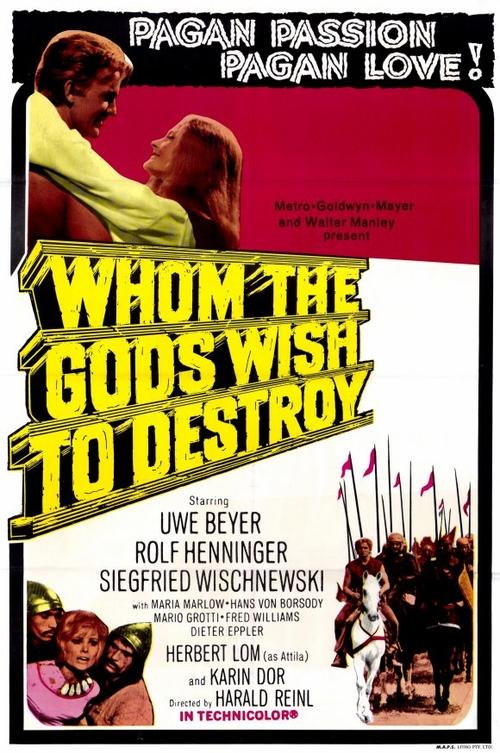
Whom the Gods Wish to Destroy
1966
No user ratings available yet
Representation score: 2.2 out of 10

Representation Score
Minimal
1967
Director
Harald Reinl
Runtime
90 minutes
Average Rating
No ratings yetNew Showbiz Analysis
The film functions as a traditionalist epic that reinforces established cultural hierarchies and historical archetypes. It relies on classical notions of honor and gendered vengeance to drive its mythological tragedy. The narrative architecture emphasizes the distinction between 'civilized' societies and 'barbaric' nomads, utilizing Eurocentric views of otherness. This approach maintains mid-20th-century storytelling conventions rather than challenging social expectations. While the film provides a strong female lead in Kriemhild, her power remains tied to traditional roles of kinship and blood vengeance. The work lacks intentionality regarding the intersection of identity or the subversion of systemic power dynamics.
Category Breakdown
The film follows strict assumptions that everyone is straight or cisgender. There are no depictions of diverse gender identities or same-sex relationships. Character arcs focus on traditional marriage and family lineage.
Kriemhild is a complex female protagonist whose actions drive the plot toward a violent end. Her role is framed through the traditional archetype of the avenging widow within patriarchal structures.
The narrative relies on a binary distinction between the civilized Burgundian court and the barbaric Hun nomads. This reinforces traditional Western-centric hierarchies and historical stereotypes of otherness.
The story is deeply rooted in Western epic traditions, emphasizing honor, chivalry, and blood loyalty. It reinforces traditional social pillars like religious institutions and lineage without critiquing them.
There are no characters with visible or invisible disabilities central to the narrative. Disability is not used as a meaningful character trait or plot device.
Present on Screen
Limited or Absent
Official Synopsis
Now Brunhild knows by which treason she was won for king Gunther of Burgund by Siegfried of Xanthen, and has been revenged by his foul murder by Hagen, more bloody revenge is inevitable. Hagen steals the Nibelungen-treasure to sink it in the stream and manages to kill Alberich and seize his invisibility-cap. Queen Kriemhild is packed of to an abbey so her son may grow up to become a prelate, but Hagen's men raid them and kill the child. She now accepts to become the wife of Etzel, king of the truly barbaric Hun nomads and invites the Burgund court nomenclature at their Danube court for their heir's baptism a few years later, but prepared a bloody conspiracy with her xenophobic brother-in-law behind her surprisingly chivalric husband's back, while Gunther accepts, hoping to avoid a far bloodier war, despite the danger for his party of knights, which materializes...
1966
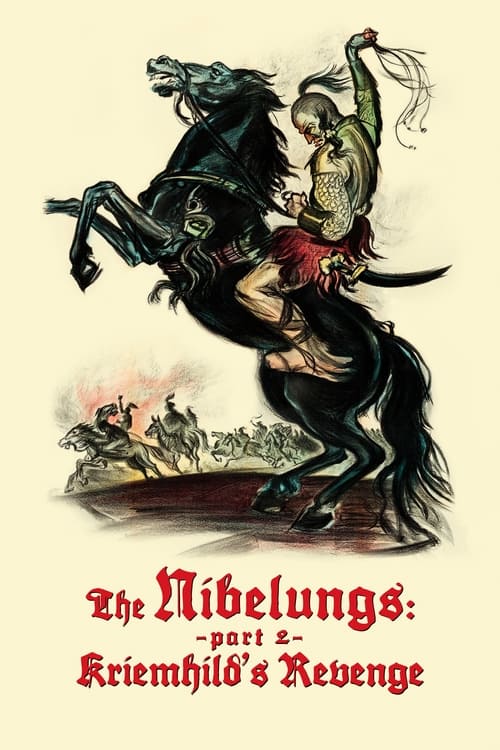
1924
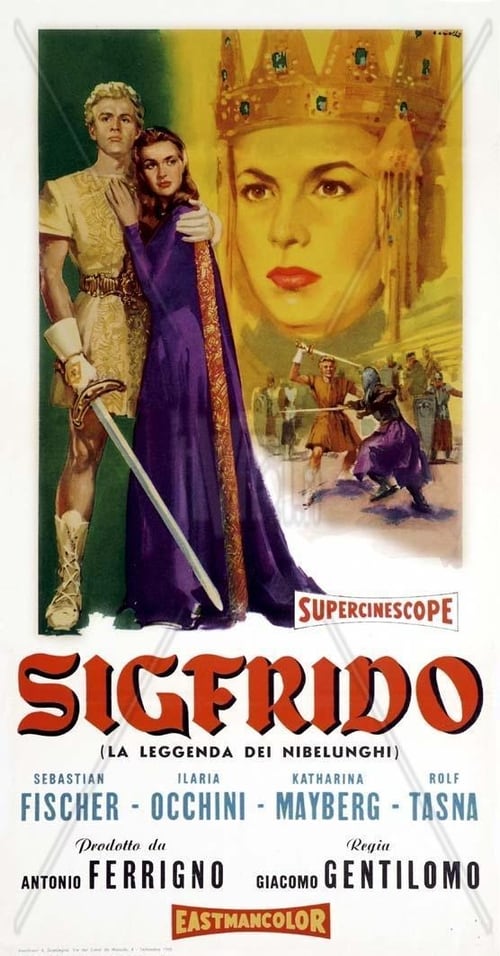
1958
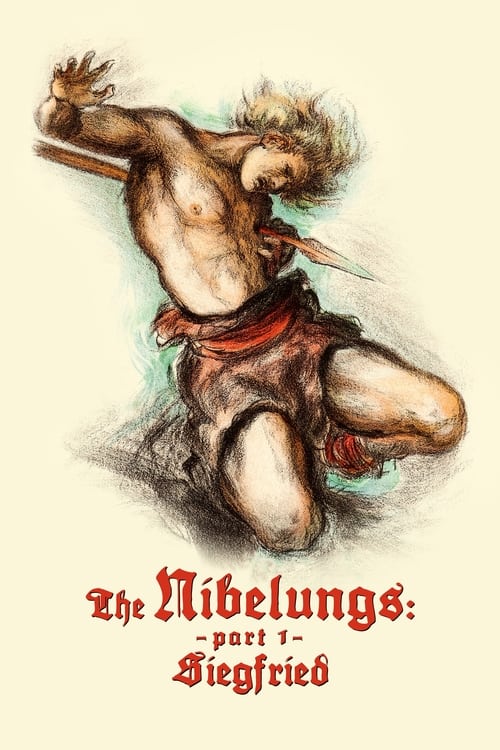
1924

1967

1985
1961

2004
No reviews yet. Be the first to share your thoughts on this movie!
Use the rating form above to leave a star rating and optional review.