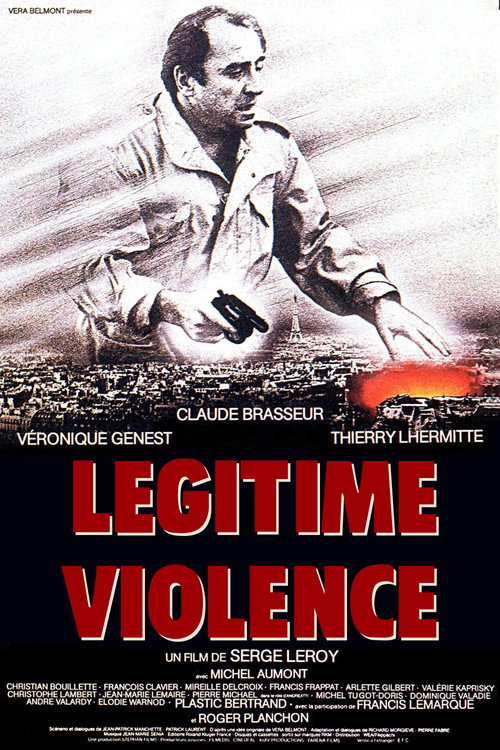
Legitimate Violence
1982
No user ratings available yet
Representation score: 1.8 out of 10
Representation Score
Minimal
1984
Director
Alain Bonnot
Runtime
83 minutes
Average Rating
No ratings yetNew Showbiz Analysis
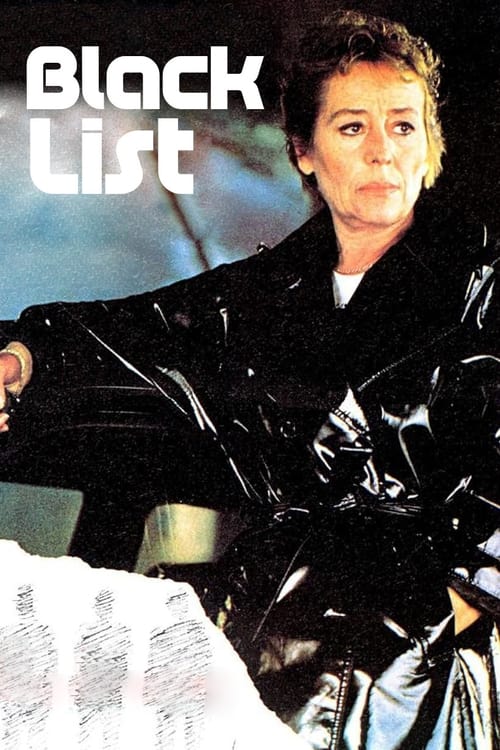
Black List is a traditional genre piece that prioritizes individual retribution over social deconstruction. While it avoids some common pitfalls of the era, it does not engage with multi-layered identity politics or queer theory. The film's strength lies in its subversion of gendered power dynamics through its female lead. However, the narrative remains largely anchored in the Eurocentric and homogeneous social landscapes common to 1980s European thrillers. Ultimately, the film adheres to established cinematic hierarchies, focusing on a personal vendetta rather than disrupting systemic social structures or providing diverse representation.
Category Breakdown
The film does not include any LGBTQ+ characters or non-cisgender identities. The storyline focuses on a revenge-driven crime narrative centered around family loss.
Jeanne Dufour subverts typical action clichés by serving as the main driver of the plot. However, the film still relies on traditional emotional archetypes of maternal grief.
The setting reflects a homogeneous Parisian landscape typical of 1980s European crime cinema. There is no evidence of significant racial blending or diverse ethnic perspectives.
The story critiques systemic failure through a narrative of vigilantism. It frames anti-social behavior through personal grief rather than a broader systemic or anti-capitalist critique.
There is no evidence of characters with visible or invisible disabilities being integrated into the narrative or portrayed with real power.
Present on Screen
Limited or Absent
Official Synopsis
Three teenage Parisian punks are duped by a crime syndicate into committing a bank robbery that will distract the authorities while the seasoned crooks hijack an armored truck across town. Disaster ensues and two of the youngsters are killed, including the estranged daughter of widowed auto repair shop owner Jeanne Dufour. A grieving Jeanne ignores her own fear, as well as the law, and sets out to eliminate all of those responsible for her daughter’s death.
1982

1976
1987
1983
1983
1983
1990

1984
No reviews yet. Be the first to share your thoughts on this movie!
Use the rating form above to leave a star rating and optional review.