You are here:

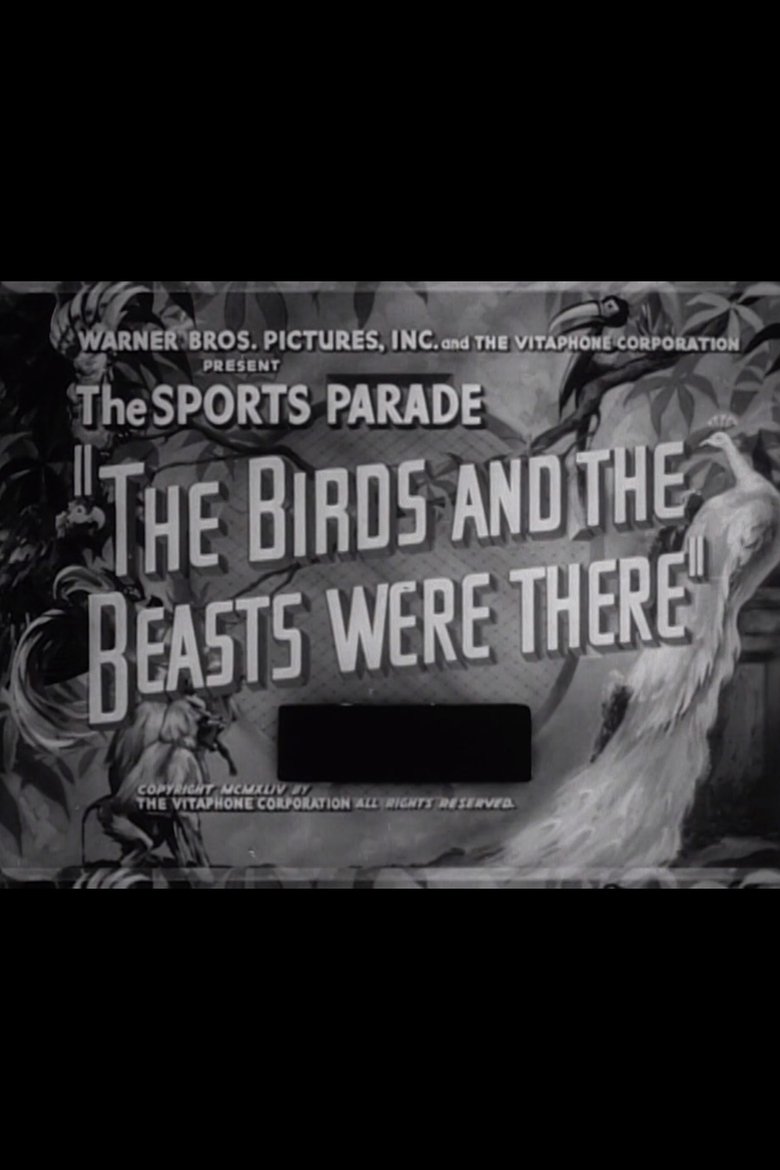
The Birds and the Beasts Were There

The Birds and the Beasts Were There

Representation Score

1.3/10

Minimal

1944

Approved

Director

André de la Varre

Runtime

10 minutes

Average Rating

No ratings yet

New Showbiz Analysis

This 1944 nature documentary primarily serves as a historical record of zoological observation in Miami, focusing on bird and primate parks. It prioritizes documenting animal parks and the visiting public over social commentary. The production adheres to traditional documentary frameworks of its time, providing little engagement with the overlapping aspects of identity. The subjects are confined to animals and visitors within a specific historical context, resulting in a lack of complexity needed to address diverse social or cultural narratives.

Watch this, not that →

Category Breakdown

Does The Birds and the Beasts Were There have LGBTQ+ representation?

Minimal

The film focuses solely on animals and visitors and does not include any LGBTQ+ characters or narratives set in mid-century Florida.

How does The Birds and the Beasts Were There portray gender?

Minimal

The documentary follows traditional mid-century observational norms and lacks any gendered character arcs or subversion of the era's social hierarchies.

How racially and ethnically diverse is The Birds and the Beasts Were There?

Minimal

The footage reflects the homogeneous society of 1944 Florida. There is no indication of a non-white majority cast or intentional racial integration.

How does The Birds and the Beasts Were There represent religion and culture?

Minimal

The content aligns with conventional mid-century values regarding tourism and organized leisure. It lacks any elements of moral relativism or institutional critique.

Does The Birds and the Beasts Were There include disability representation?

Minimal

The narrative focus remains strictly on the animals in the parks. No characters representing neurodivergence or physical disabilities are featured.

Present on Screen

  • Offers a historical perspective on mid-century Florida animal parks and zoological settings.

Limited or Absent

  • Lacks representation of diverse human identities, including LGBTQ+, racial, and disability groups.
  • Does not engage with social complexities or challenge traditional mid-century cultural norms.

Official Synopsis

Visits to three animal parks in Miami, Florida: the Rare Bird Farm, with it's many chickens, cranes, and other birds; the Monkey Jungle, where the visitors are caged and the simian inhabitants roam freely; and finally the Parrot Jungle.

How are these scores produced? →

Where to Watch

Rate this Movie

No rating selected
Use arrow keys to select a rating from 1 to 5 stars
Optional text review, maximum 2000 characters
Tip: Wrap spoilers with ||double pipes|| to hide them
0/2000 characters
You must be signed in to submit a rating

Reviews

No reviews yet. Be the first to share your thoughts on this movie!

Use the rating form above to leave a star rating and optional review.