Mermaid Forest
1991
No user ratings available yet
Representation score: 5.5 out of 10
Representation Score
Good
1993
Director
Morio Asaka
Runtime
56 minutes
Average Rating
No ratings yetNew Showbiz Analysis
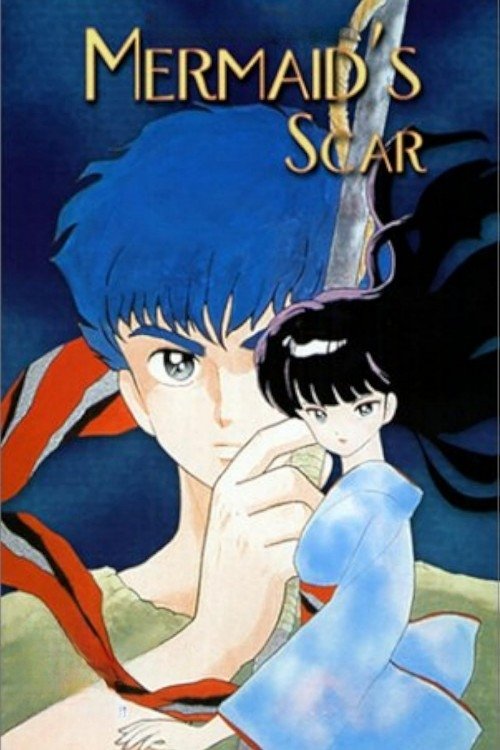
Mermaid's Scar is a dark fantasy that emphasizes the experiences of underrepresented individuals over explicit modern identity politics. It uses Japanese folklore to explore the tragic consequences of human desires and the breakdown of natural order. The film's strength lies in its metaphorical depth, particularly how physical transformations reflect the lived experiences of outcasts. It shifts away from traditional hero narratives to examine vulnerability and the struggle against biological curses. However, the film lacks visible LGBTQ+ characters and maintains an ethnically homogeneous cast. It also does not delve deeply into gender hierarchies or diverse gendered perspectives.
Category Breakdown
The film does not include any explicit LGBTQ+ characters or relationships that deviate from the assumption that everyone is straight or cisgender.
The story focuses on characters dealing with a biological curse, suggesting a shift from traditional hero roles and gender stereotypes.
Set within Japanese legend, the film offers a localized perspective on identity and folklore. Although the cast appears ethnically uniform, it avoids a Western-centric viewpoint by focusing on Japanese traditions.
The film criticizes the pursuit of personal gain by depicting immortality as a source of damnation. It uses the 'Lost Souls' as a metaphor for those sidelined by broader societal or biological forces.
The transformation into damned creatures serves as a metaphor for physical and identity-based changes. The narrative centers on the real experiences of these outsiders rather than using their conditions as mere horror elements.
Present on Screen
Limited or Absent
Official Synopsis
According to an ancient Japanese legend, mermaid flesh may grant immortality if eaten. However, there is a much greater chance that consumption will lead to death or transformation into a damned creature known as a Lost Soul (or Deformed Ones in the English dub). Mermaid Saga tells the tale of Yuta, an immortal who has been alive for five hundred years, who is wandering across Japan searching for a cure and meeting others whose lives have also been ruined by mermaid flesh in the process.
No reviews yet. Be the first to share your thoughts on this movie!
Use the rating form above to leave a star rating and optional review.