
A Little Chaos
2015
No user ratings available yet
Representation score: 3.9 out of 10
Representation Score
Limited
2017
RDirector
Justin Chadwick
Runtime
107 minutes
Average Rating
No ratings yetNew Showbiz Analysis
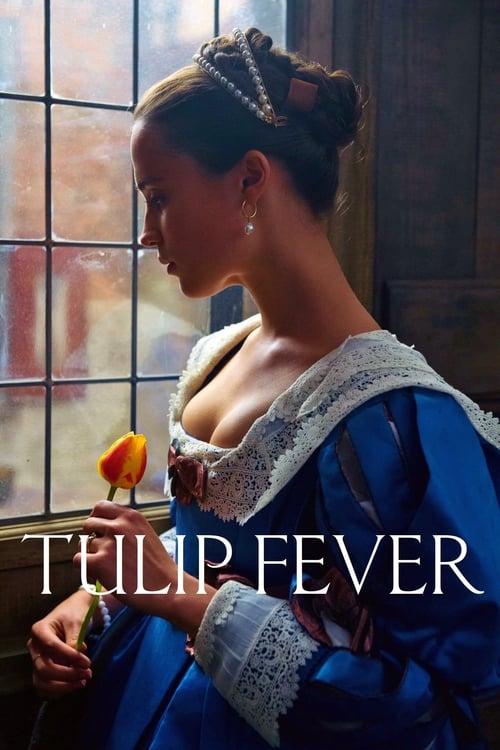
Tulip Fever is a period drama that prioritizes historical demographic accuracy over modern inclusive casting. This results in a lack of racial and LGBTQ+ diversity, as the film adheres strictly to the homogeneous social landscape of 17th-century Amsterdam. However, the film finds strength in its subversion of gendered expectations. The female protagonist is not a passive figure; she uses her autonomy to navigate systemic constraints and economic instability. Ultimately, the film functions as a critique of rigid social and economic institutions. It frames individual ability to act and unconventional choices as necessary responses to a corrupt and volatile capitalist system.
Category Breakdown
The film focuses solely on heterosexual relationships. There are no representations of same-sex relationships or non-binary gender identities among the main characters.
The story centers around the female lead's active role and intelligence. She navigates a patriarchal society to achieve economic independence rather than being a submissive wife.
The cast primarily consists of actors of European descent, reflecting the historical context of 17th-century Amsterdam. The film maintains a visually homogeneous setting without diverse ethnic perspectives.
The film critiques early capitalist structures through the lens of Tulip Mania. It questions traditional Western values of marital fidelity in favor of economic pragmatism.
There are no prominent depictions of physical or neurodivergent disabilities. Such elements do not play a central role in the characters' stories or the plot.
Present on Screen
Limited or Absent
Official Synopsis
An artist falls for a married young woman while he's commissioned to paint her portrait. The two invest in the risky tulip market in hopes to build a future together.
2015
1958
2017

1998

2003

1996

2011
1995
No reviews yet. Be the first to share your thoughts on this movie!
Use the rating form above to leave a star rating and optional review.