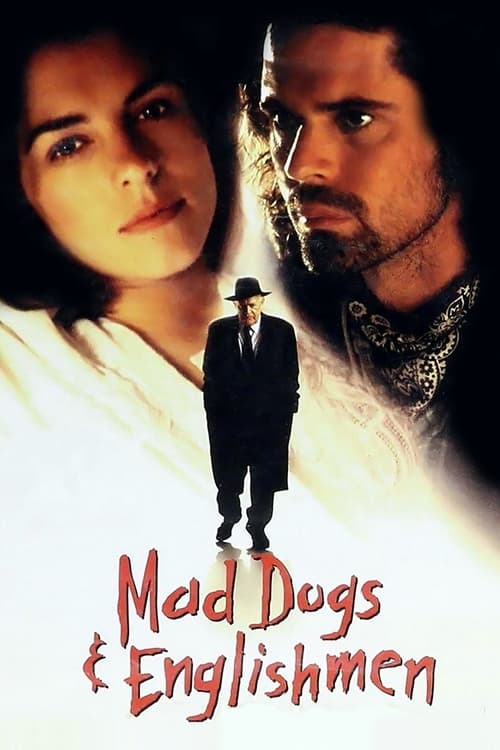
Mad Dogs and Englishmen
1995
No user ratings available yet
Representation score: 5.6 out of 10
Representation Score
Fair
2022
Director
Anton Megerdichev
Runtime
109 minutes
Average Rating
No ratings yetNew Showbiz Analysis
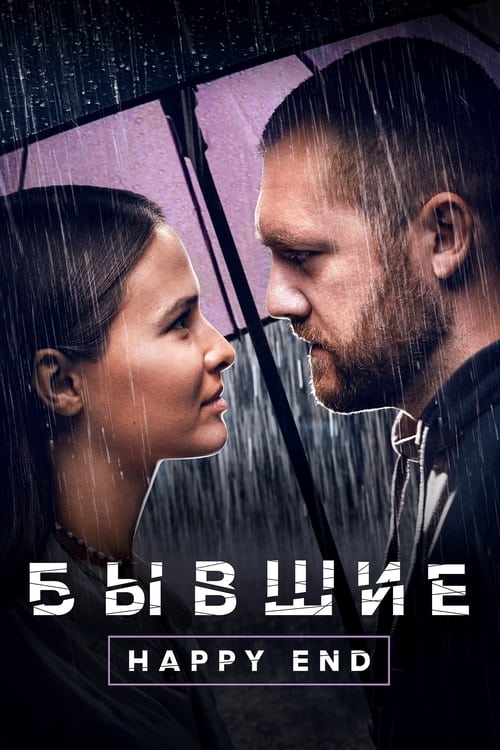
The film is a localized character study that prioritizes individual psychological struggles over broader social critiques. It succeeds in challenging traditional gendered expectations by giving the protagonist a significant role in driving the story and complexity. However, the narrative lacks multi-layered breadth. The focus remains intensely narrow, centered on a specific socioeconomic class and traditional romantic structures, which limits its engagement with broader social or racial frameworks. Ultimately, while the film offers a nuanced look at personal compulsion and the breakdown of domestic stability, it does not provide a platform for diverse identities or systemic interrogation.
Category Breakdown
The film does not prominently feature LGBTQ+ characters or explore non-straight relationships. The central conflict revolves around traditional romantic and marital dynamics, particularly the tension between monogamy and infidelity.
The narrative explores the role of a high-status woman whose desires clash with her roles as wife and mother. It disrupts the expected image of a stable matriarch, yet it remains tied to traditional frameworks.
The cast is culturally homogeneous, reflecting Moscow’s upper class. There is no indication of non-white majority representation or the use of diverse ethnicities to explore broader social dynamics.
The story questions the sanctity of marriage through themes of infidelity. However, it does not explicitly critique the capitalist social structure inhabited by the characters.
Addiction serves as a primary narrative engine, focusing on the psychological impact and interpersonal fallout rather than the lived experience of disability or neurodivergent ability to act.
Present on Screen
Limited or Absent
Official Synopsis
Yana and Ilya met during rehabilitation. According to the rules, they need to stay away from each other if they want to stay sober. But the feelings that flared up between them do not allow them to do this. They broke down, parted, sought happiness with others, but the further they ran away from love, the more they were drawn to each other. The story that Ilya and Yana will live in the film will allow them to finally get out of the vicious circle, give them a chance for recovery and give hope for a happy ending...
1995
2019
1999
2021
2017
2015
2012
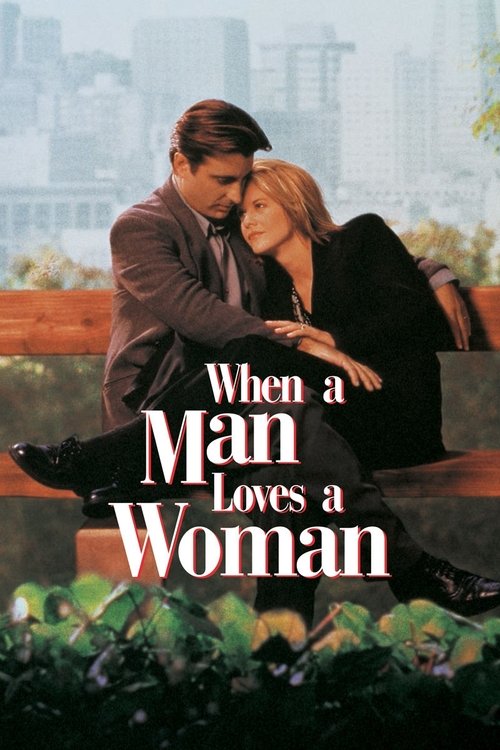
1994
No reviews yet. Be the first to share your thoughts on this movie!
Use the rating form above to leave a star rating and optional review.