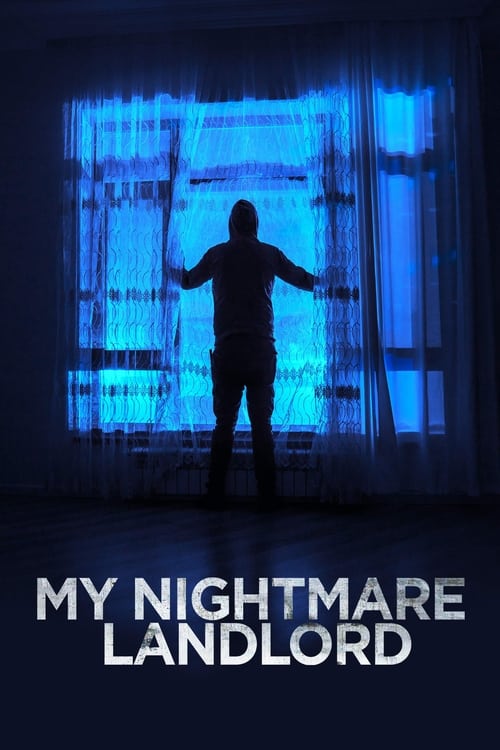
My Nightmare Landlord
2020
No user ratings available yet
Diversity score: 3.1 out of 10

2018
Director
Robert Malenfant
Runtime
90 minutes
Average Rating
No ratings yetSynopsis
After her daughter Lacey goes off to a prestigious university, Carol finds herself with an empty nest and decides to rent out her room. When Nikki, a local college student answers the ad, it feels like a perfect fit. What Carol doesn't know is that Nikki was her daughter's high school rival, and that she believes Carol cheated her out of a chance to attend a better school by pulling strings for Lacey. Now, Nikki has come to avenge the future she feels has been stolen from her.
Overall Score
Limited
Category Breakdown
LGBTQ+ Representation
The film lacks any evidence of LGBTQ+ characters or non-cisnormative identities. The central conflict appears rooted in heteronormative social competition.
Gender Representation
The story features a female-centric power struggle between Carol and Nikki. While it focuses on female agency, the roles are defined by interpersonal rivalry rather than systemic subversion.
Racial & Ethnic Diversity
The narrative does not specify the racial or ethnic identities of the main characters. Consequently, there is no information regarding racial diversity or casting.
Religious & Cultural Diversity
The plot explores themes of class-based advantage and perceived corruption in meritocratic institutions. Nikki's motivation critiques how social hierarchies can create feelings of stolen opportunity.
Disability Representation
There is no mention of characters with visible or invisible disabilities. No neurodivergence or chronic illness is integrated into the character arcs.
Strengths
Areas for Improvement
AI Analysis
Nightmare Tenant is a character-driven psychological thriller that prioritizes personal vendettas over intersectional representation. The film's strength lies in its exploration of moral relativism and how perceived systemic unfairness can drive extreme behavior. However, the narrative remains narrow, focusing on a domestic conflict between two women. It lacks engagement with diverse identities, including LGBTQ+ representation and disability, making its progressive impact limited. Ultimately, the film challenges the stability of the domestic unit through the lens of individual grievance rather than a broader deconstruction of social institutions.
2020
2022

2019

2020

2020

2018

2020

2018

2020
2018

2019

2018
No reviews yet. Be the first to share your thoughts on this movie!
Use the rating form above to leave a star rating and optional review.