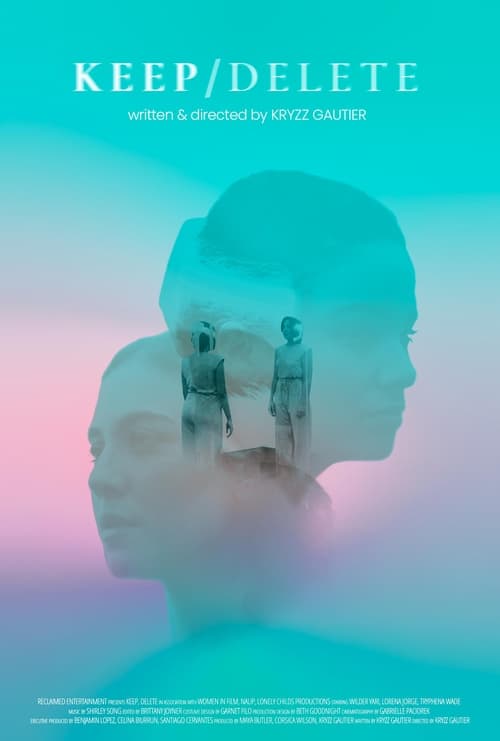
Keep/Delete
2022
No user ratings available yet
Representation score: 5.9 out of 10

Representation Score
Good
2024
Director
Emre Kavuk
Runtime
94 minutes
Average Rating
No ratings yetNew Showbiz Analysis
A Better Tomorrow is a speculative drama that prioritizes philosophical inquiry over traditional social clichés. It succeeds in subverting gender roles by making a female character's emotions the pivot for the male protagonist's existential crisis. The film's strength lies in its critique of institutional control, specifically how a state-regulated system interacts with private human emotion. This creates a sophisticated tension between law and individual autonomy. However, the film's focus on a singular romantic connection leaves its approach to LGBTQ+ and racial diversity undefined. The narrative remains deeply centered on a specific, individual psychological struggle.
Category Breakdown
The film centers on a romantic relationship between Ozan and Ekin. While it explores unconventional emotional connections, it does not explicitly confirm their queer identities or non-cisgender dynamics.
Ekin plays a significant role in driving the story, challenging traditional gender hierarchies. Her emotional state influences the protagonist's journey, subverting the cliché of the active male and passive female.
The narrative focuses on individual psychological and existential themes. There is no information available regarding the racial composition of the cast or ethnic representation.
The story critiques traditional morality by presenting a world where suicide is regulated by the state. It highlights the tension between systemic control and personal experience.
Ozan's profound psychological distress and suicidal thoughts drive the plot. The film treats his mental health struggles as a central, valid part of the narrative.
Present on Screen
Limited or Absent
Official Synopsis
Abandoned by his lover, Ozan begins to suffer from love and cannot find solace anywhere he goes. Ozan decides to commit suicide one day. Suicide is legal as long as it is under state control, but there is only one exception to this: No one should fall in love with the person who will commit suicide or make such an application. When Ozan goes to the life termination center, his application is examined and he receives a rejection. Because a woman named Ekin is in love with Ozan, whom he never knew. That's why the poet can't die. His only solution is to find this girl named Ekin and make her give up on her love.
2022
2022

2014

1990

2017
2009
2013
2021
No reviews yet. Be the first to share your thoughts on this movie!
Use the rating form above to leave a star rating and optional review.