
WesternStory
2011
No user ratings available yet
Representation score: 4.7 out of 10
Representation Score
Fair
1973
Director
Jacques Brel
Runtime
90 minutes
Average Rating
No ratings yetNew Showbiz Analysis
Far West serves as a commentary on the clash between mythic ideals and modern bureaucratic systems. It uses the Western genre to depict social rebellion against administrative control rather than demographic diversity. The film focuses on ideological critique through traditional archetypes, avoiding broader social identities. Its strength lies in challenging institutional control, but it does not explore a wide range of social identities.
Category Breakdown
The film does not include explicit representations of LGBTQ+ identities or non-cisgender expressions. Instead, it focuses on the shared ideals of the cowboy archetype.
The story emphasizes traditional masculine roles typical of the Western genre. It does not challenge gender hierarchies or highlight female perspectives.
The setting presents a stylized version of the American West that lacks diversity. There is no indication of non-Anglo-Saxon casting or varied ethnic representation.
The film stands out by criticizing modern institutions and capitalism. It promotes a communal, idealized society amid the remnants of industrial decline.
There is no information about the portrayal of physical or neurodivergent disabilities in the narrative.
Present on Screen
Limited or Absent
Official Synopsis
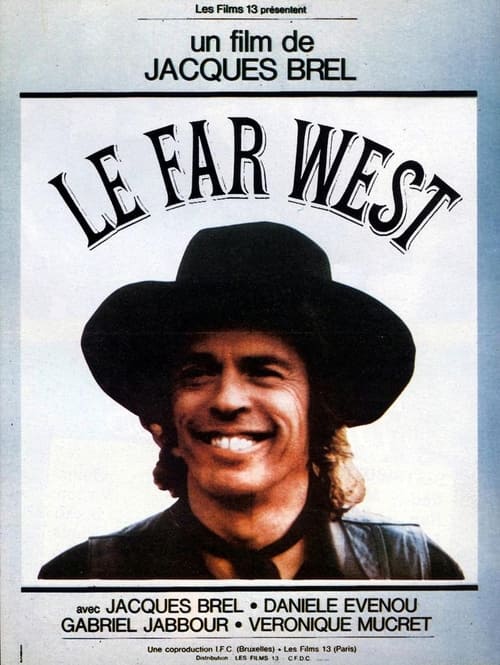
This Belgian/French tale chronicles the efforts of Jacques (Jacques Brel) to find the Old West in modern America. Dressed as cowboy, he travels throughout western American cities and towns and finds others similarly dressed. These idealists gather together and build an old-western-style town in the middle of an abandoned factory, battling local bureaucracies in the process.
2011
1972

2023
1981
1994
2002
1973

1925
No reviews yet. Be the first to share your thoughts on this movie!
Use the rating form above to leave a star rating and optional review.