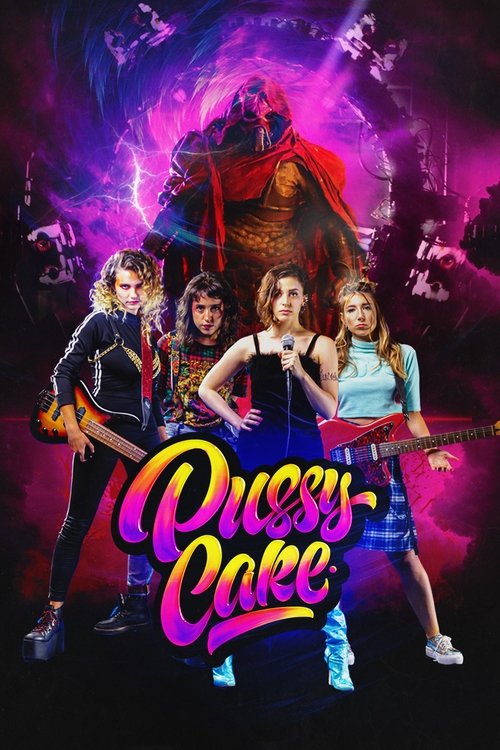
PussyCake
2021
No user ratings available yet
Representation score: 4.4 out of 10
Representation Score
Fair
2005
PG-13Director
Jay Wade Edwards
Runtime
77 minutes
Average Rating
No ratings yetNew Showbiz Analysis
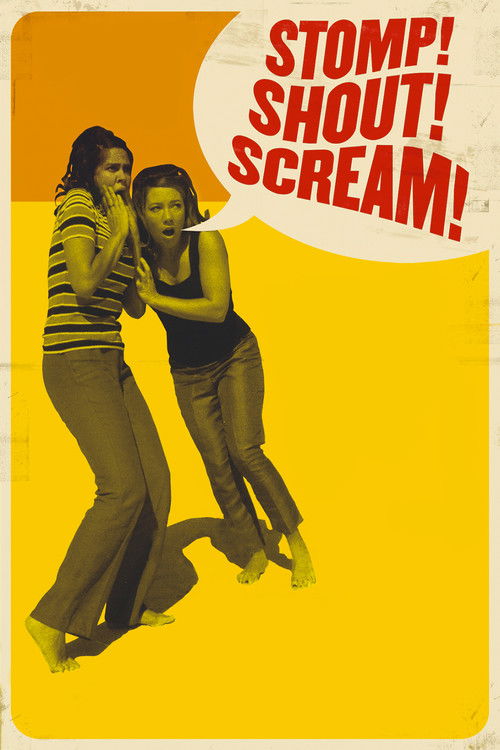
Stomp! Shout! Scream! functions as a standard genre-blending piece that prioritizes plot over challenging traditional structures. While it centers a female ensemble, it remains tied to established social hierarchies and conventional romantic dynamics. The film offers moderate representation through its female leads and the inclusion of a diverse local character. However, the narrative largely adheres to traditional genre conventions. Ultimately, the work provides a baseline level of inclusion without actively seeking to disrupt or critique the status quo of its mid-2000s genre setting.
Category Breakdown
The film focuses on heterosexual romantic tensions between male characters and the female lead. There is no depiction of non-cisgender identities or narratives that question traditional romantic structures.
The film centers on a female musical trio, giving them professional control over their careers. While the lead character resists the male gaze, the central conflict relies on traditional masculine roles such as the scientist and mechanic.
The inclusion of Hector Garcia provides meaningful representation within the small-town setting. His role as a local mechanic adds a layer of ethnic diversity to the character ensemble.
The story follows a standard outsider versus local dynamic common in Southern Gothic settings. It adheres to conventional genre structures without prioritizing specific cultural critiques or secular themes.
There is no evidence regarding the portrayal of visible or invisible disabilities. No characters are identified as having neurodivergent traits or physical impairments.
Present on Screen
Limited or Absent
Official Synopsis
Theodora, Jody and Carol, collectively The Violas, are on tour when their van breaks down in a small southern beach town. The local police are investigating a mass of mysterious debris on the beach and the disappearance of a little girl's parents after she's found walking the beach in a state of shock. Scientist John Patterson is called in to help investigate. Both John and local mechanic Hector Garcia fall for Violas lead singer Theodora, but she seems to have no interest in them, possibly because of a mysterious past. Hector convinces the girls to stay in town when he offers to repair their van in exchange for playing his party, but the mysterious creature is still on the loose.
2021

2021
2002
1985
2008
2024
2009
2006
No reviews yet. Be the first to share your thoughts on this movie!
Use the rating form above to leave a star rating and optional review.