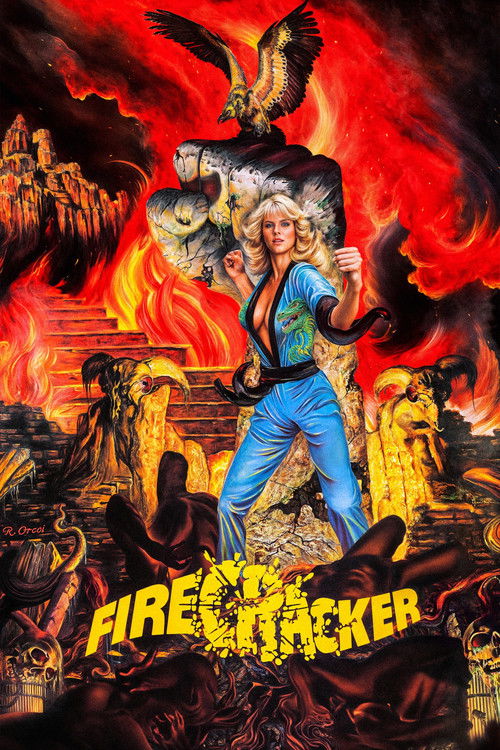
Firecracker
1981
No user ratings available yet
Representation score: 2.6 out of 10
Representation Score
Fair
1985
Director
Leo Fong
Runtime
91 minutes
Average Rating
No ratings yetNew Showbiz Analysis
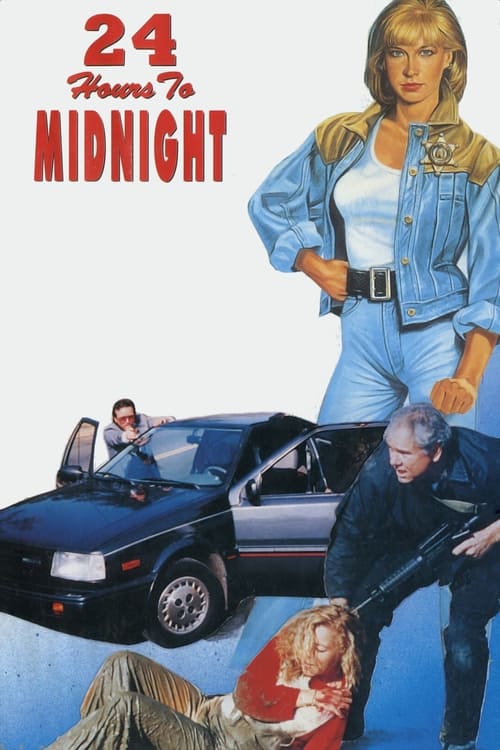
24 Hours to Midnight stands out for its subversion of traditional action clichés. By centering a highly skilled female martial artist as the protagonist, the film moves away from the era's typical male-dominated hero narratives. While the film introduces diverse perspectives through the leadership of Chinese-American director Leo Fong, it remains largely bound to conventional genre structures. The narrative focuses on kinetic storytelling and standard retribution rather than deeper social critiques. Overall, the film offers moderate representation through its lead character's active role, while staying within traditional cinematic boundaries.
Category Breakdown
The film does not include any LGBTQ+ characters or narratives. The central storyline revolves around a traditional marriage and loss.
A female protagonist trained in Ninjutsu drives the plot. She challenges traditional action roles by taking the lead in seeking vengeance.
The involvement of Chinese-American director Leo Fong brings diverse perspectives. However, the overall cast makeup remains unspecified.
Martial arts play a central role in the film's culture. However, the revenge plot follows typical Western cinematic themes of justice and retribution.
There are no visible or invisible disabilities represented in the film.
Present on Screen
Limited or Absent
Official Synopsis
A woman trained in Ninjutsu takes revenge after her husband is killed while out jogging.
1981
2002
1992
2023
1993
1979
1998
1984
No reviews yet. Be the first to share your thoughts on this movie!
Use the rating form above to leave a star rating and optional review.