
Welcome to Switzerland
2004
No user ratings available yet
Diversity score: 6.4 out of 10
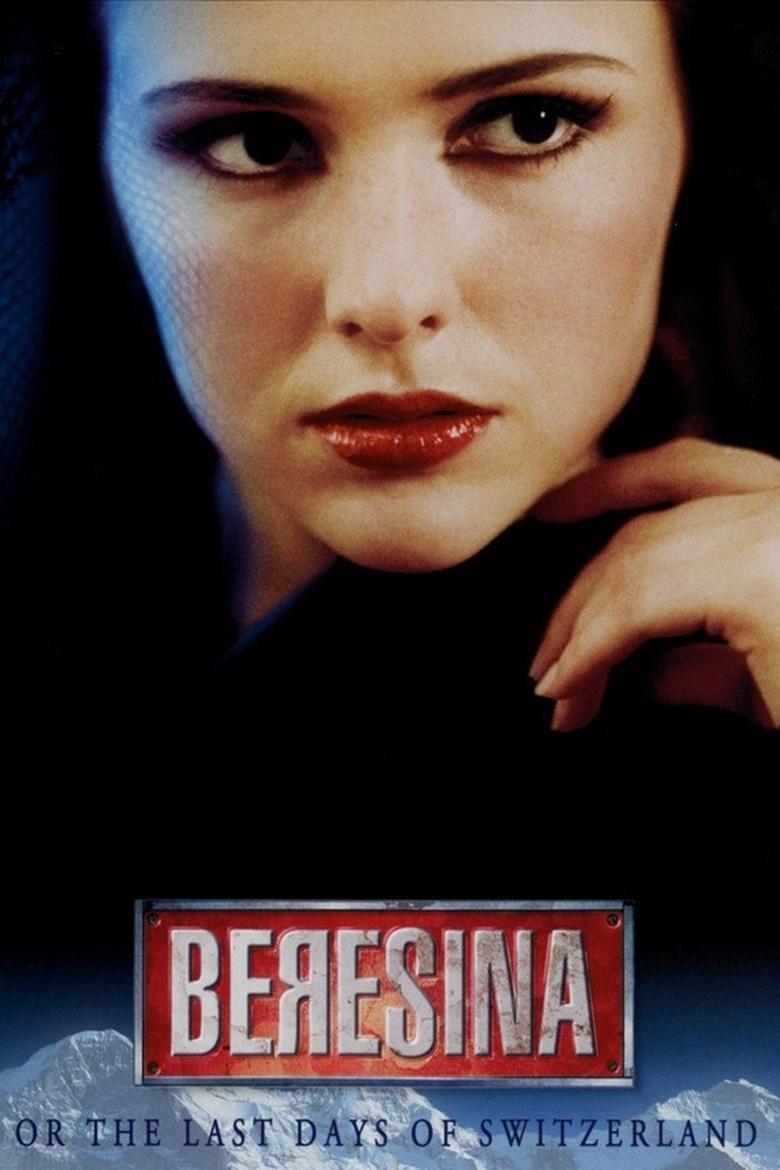
1999
Director
Daniel Schmid
Runtime
105 minutes
Average Rating
No ratings yetSynopsis
A naive girl's love for Switzerland is put to the test in this satiric comedy. Irina is a woman from Russia who all her life has always been fascinated by Switzerland and longs to live there some day, though her notion of Swiss life has more to do with Heidi and old movies set in the Alps than reality.
Overall Score
Good
Category Breakdown
LGBTQ+ Representation
The film lacks explicit evidence of LGBTQ+ characters or non-heteronormative identities. The narrative focuses on a romanticized longing for a specific cultural identity, which typically follows heteronormative tropes.
Gender Representation
Irina, the female protagonist, drives the story through her internal desires and subjective perceptions. While her naivety risks traditional tropes, the satirical framework deconstructs the idealized woman archetype.
Racial & Ethnic Diversity
The story uses a cross-cultural lens by centering a Russian protagonist in a Western European landscape. This challenges monolithic Swiss identity by exploring the perspective of an outsider.
Religious & Cultural Diversity
The film critiques national identity by portraying Switzerland through the lens of 'Heidi' and old movies. It uses satire to deconstruct romanticized Western myths and institutionalized myth-making.
Disability Representation
There is no information regarding the portrayal of physical or neurodivergent disabilities in this work.
Strengths
Areas for Improvement
AI Analysis
Beresina is a satirical comedy that functions as a sophisticated critique of cultural iconography. It succeeds by disrupting conventional nationalistic storytelling and prioritizing the subjective experience of an outsider. The film's strength lies in its narrative architecture, which uses a Russian protagonist to challenge the idea of a monolithic Swiss identity. By focusing on the gap between cinematic myth and reality, it deconstructs Western cultural ideals. However, the film lacks overt markers of identity-based representation. It leans toward traditional romanticized tropes and provides no visible engagement with LGBTQ+ or disability representation.
2004
1993

2018

2019
1985
2013

2018

1990
1990

2019

2019
1993
No reviews yet. Be the first to share your thoughts on this movie!
Use the rating form above to leave a star rating and optional review.