Scorched Earth
2018
No user ratings available yet
Representation score: 3.5 out of 10
Representation Score
Excellent
2018
Director
Santiago Ventura
Runtime
100 minutes
Average Rating
No ratings yetNew Showbiz Analysis
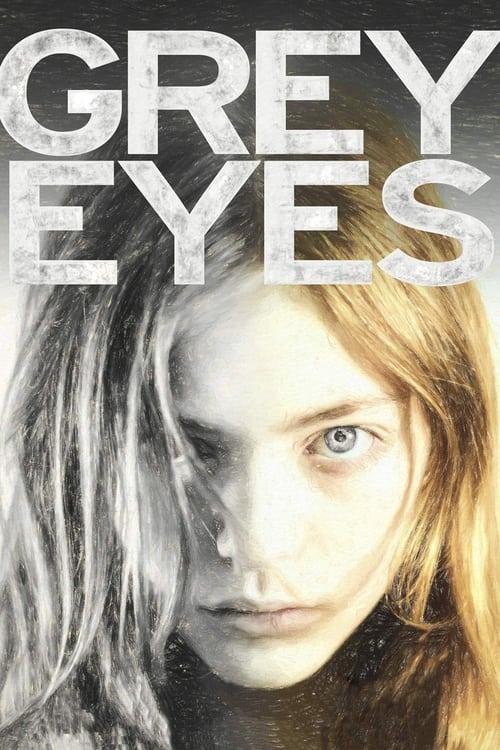
Grey Eyes employs the speculative framework of science fiction to explore themes of identity and power. By centering the plot on a young girl rather than adult male figures, the film successfully disrupts traditional gender hierarchies. The film's greatest strength lies in its allegorical depth. The transition from a monochromatic world to one of color serves as a potent metaphor for racial diversity and the reclaiming of individual identity against a controlled, sterile society. However, the representation remains largely metaphorical. While sensory shifts mirror disability and color-blindness mirrors racial dynamics, the film lacks specific, non-metaphorical depictions of diverse identities or physical disabilities.
Category Breakdown
The film does not include explicit depictions of same-sex relationships or non-binary gender identities. Although the post-apocalyptic setting hints at a break from traditional social norms, there is no clear representation of LGBTQ+ characters.
Ana, a 12-year-old girl, is the main character and the key to saving the world. This challenges the damsel in distress cliché by giving a young female character a leading role.
The film uses color blindness as a metaphor for identity and distinction. The introduction of color through a synthetic drug symbolizes the emergence of diversity in a homogeneous society.
The story critiques institutional stability by focusing on a decentralized power structure. It portrays a rebellion against a sterile status quo through the pursuit of individual sensory perception.
The film uses universal color blindness as a metaphor for sensory disability. However, it lacks characters with specific disabilities portrayed with real ability to act.
Present on Screen
Limited or Absent
Official Synopsis
In a post-apocalyptic future, mankind is color blind. A brilliant scientist suddenly dies, leaving his precious briefcase-filled with a highly-addictive synthetic drug that allows people to see colors again-to Ana, a mere 12-year-old girl. Possession of the briefcase makes her the target of a doctor with wicked plans for the drug, and her only hope to escape his pursuit relies on the aid of the dead scientist's two devoted bodyguards. Together, their epic, perilous journey pivots on a tremendous secret: Ana herself could be the key to salvaging a world in ruins.
2018
2015
2017
2018
2023

2022
2024
2021
No reviews yet. Be the first to share your thoughts on this movie!
Use the rating form above to leave a star rating and optional review.