
Rim of the World
2019
No user ratings available yet
Representation score: 6.7 out of 10
Representation Score
Limited
2015
NRDirector
François Simard, Anouk Whissell, Yoann-Karl Whissell
Runtime
95 minutes
Average Rating
No ratings yetNew Showbiz Analysis
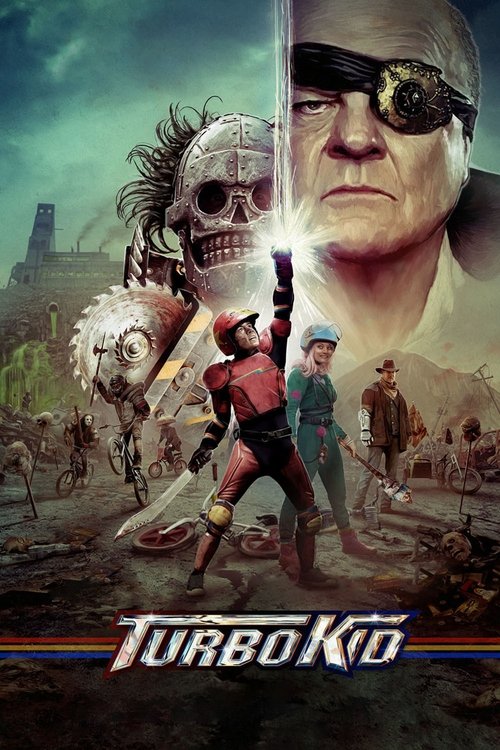
Turbo Kid is a highly stylized genre piece that prioritizes retro-futuristic aesthetic homage over diverse representation. The film focuses on deconstructing cinematic clichés rather than addressing social hierarchies. While the film grants the female lead significant competence and ability to act, it remains traditional in its demographic composition. The wasteland setting functions as a vacuum of social structure, which limits opportunities for diverse communal representation. Ultimately, the film's commitment to postmodern pastiche means it bypasses modern sociopolitical frameworks in favor of stylistic intertextuality.
Category Breakdown
The film does not include any LGBTQ+ characters or those with non-traditional gender identities. The interpersonal relationships revolve around a conventional heterosexual relationship without any queer symbolism.
Lilly offers a nuanced portrayal that moves away from the damsel in distress stereotype through her survivalist role. However, there is no dialogue between female characters, limiting further representation.
The wasteland setting features a homogeneous demographic. There is no intentional racial diversity or varied casting to challenge historical norms within the cast.
The narrative dismantles traditional institutions like religion and government by making them non-existent. This happens due to the genre's requirements rather than an explicit social critique.
There are no prominent depictions of visible or invisible disabilities. Neurodivergence and chronic illness are not part of the main character arcs.
Present on Screen
Limited or Absent
Official Synopsis
In a post-apocalyptic wasteland, an orphaned teen must battle a ruthless warlord to save the girl of his dreams.
2019
1998

2015
1975

2016

1995
1997

2007
No reviews yet. Be the first to share your thoughts on this movie!
Use the rating form above to leave a star rating and optional review.