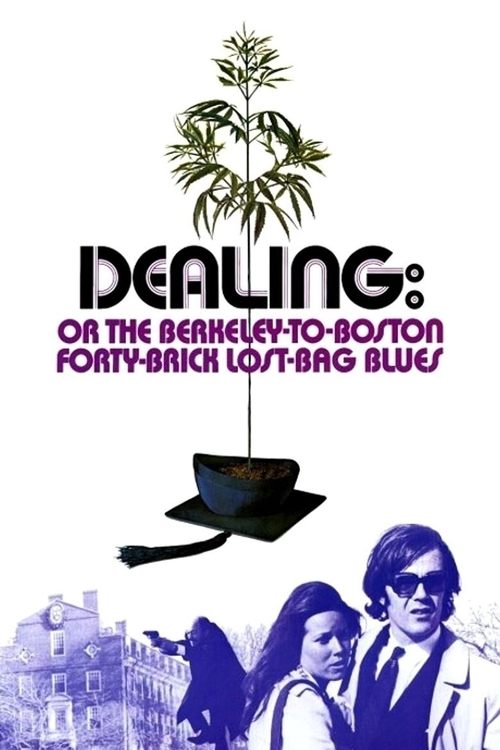
Dealing: Or the Berkeley-to-Boston Forty-Brick Lost-Bag Blues
1972
No user ratings available yet
Representation score: 4.6 out of 10
Representation Score
Limited
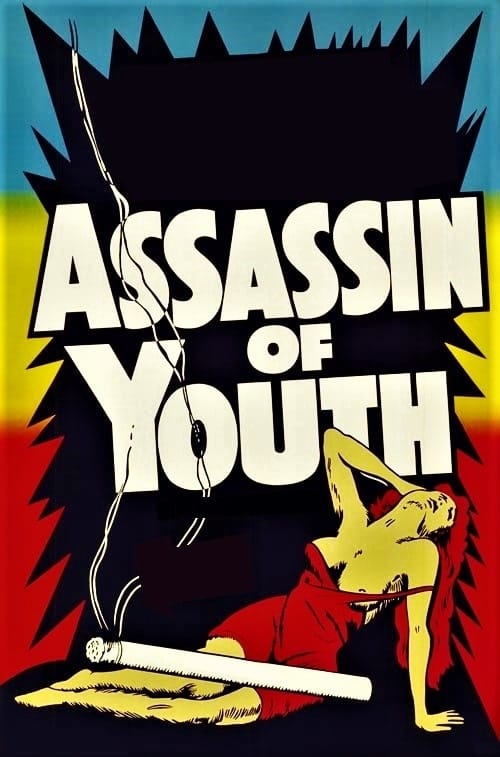
1938
NRDirector
Elmer Clifton
Runtime
80 minutes
Average Rating
No ratings yetNew Showbiz Analysis
Assassin of Youth is a period melodrama that uses a cautionary tale about substance use to critique the pressures of small-town conformity. While it lacks meaningful representation for LGBTQ+ or racial groups, it offers a nuanced look at how social hierarchies impact female characters. The film's strength lies in its portrayal of communal surveillance as a source of psychological distress, subverting the idyllic small-town cliché. Additionally, it provides a nuanced exploration of gendered social vulnerability and the pressures of patriarchal expectations. However, the film remains limited by its era. It relies on melodramatic depictions of mental instability and adheres to the homogeneous casting standards of 1938, failing to provide diverse or authentic perspectives.
Category Breakdown
The film does not include any characters with LGBTQ+ identities. The character dynamics follow traditional romantic and social norms of the late 1930s.
The story focuses on the female protagonist's psychological vulnerability, exploring how patriarchal social expectations and restrictive hierarchies limit her freedom.
The cast reflects the homogeneous demographic typical of 1938 rural American cinema. There is no evidence of diverse casting or intentional racial blending within the small-town setting.
The film critiques small-town moralism by showing communal judgment as a source of psychological distress. However, it remains anchored in the era's conservative cautionary frameworks regarding drug use.
Themes of psychological distress and madness are used primarily as narrative devices to illustrate the protagonist's downfall. These elements lack realistic portrayals of neurodivergent individuals.
Present on Screen
Limited or Absent
Official Synopsis
A high-school girl gets involved with a ring of teenage marijuana smokers and starts down the road to ruin. A reporter poses as a soda jerk to infiltrate the gang of teen dope fiends.
1972
1987
1949

2018

1987

1981
2021

2014
No reviews yet. Be the first to share your thoughts on this movie!
Use the rating form above to leave a star rating and optional review.