The White Buffalo
1977
No user ratings available yet
Representation score: 1.0 out of 10
Representation Score
Minimal
1981
RDirector
Peter R. Hunt
Runtime
97 minutes
Average Rating
No ratings yetNew Showbiz Analysis
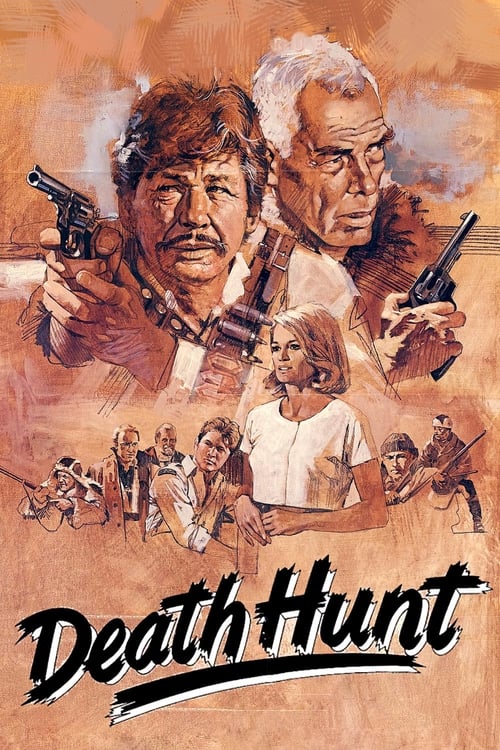
Death Hunt is a conventional genre piece that adheres to the social and narrative structures of its time. It prioritizes a traditionalist exploration of survival and pursuit within a rugged, male-dominated landscape. The film relies heavily on established Western clichés, focusing on a manhunt in the Yukon Territory. This narrow focus results in a lack of diverse representation or varied character perspectives. Ultimately, the production does not intentionally address modern diversity standards, functioning instead as a typical period adventure film.
Category Breakdown
The film does not feature any LGBTQ+ characters or stories. The narrative focuses solely on the central manhunt, excluding any queer visibility.
This adventure-western emphasizes a strictly male-centered perspective. It reinforces traditional masculine roles of survival and conflict without challenging gender hierarchies.
The film lacks significant racial diversity and actively leading characters of color. Casting follows typical demographic expectations for a 1930s North American wilderness setting.
The narrative adheres to traditional Western storytelling conventions. It lacks a critical examination of cultural norms and moral relativism found in more progressive works.
There are no characters with visible or invisible disabilities. The plot centers on physical strength and the mechanics of the hunt.
Present on Screen
Limited or Absent
Official Synopsis
Yukon Territory, Canada, November 1931. Albert Johnson, a trapper who lives alone in the mountains, buys a dog almost dead after a brutal dogfight, a good deed that will put him in trouble.
1977

1971

1972
1970
2011
1973
1973
1975
No reviews yet. Be the first to share your thoughts on this movie!
Use the rating form above to leave a star rating and optional review.