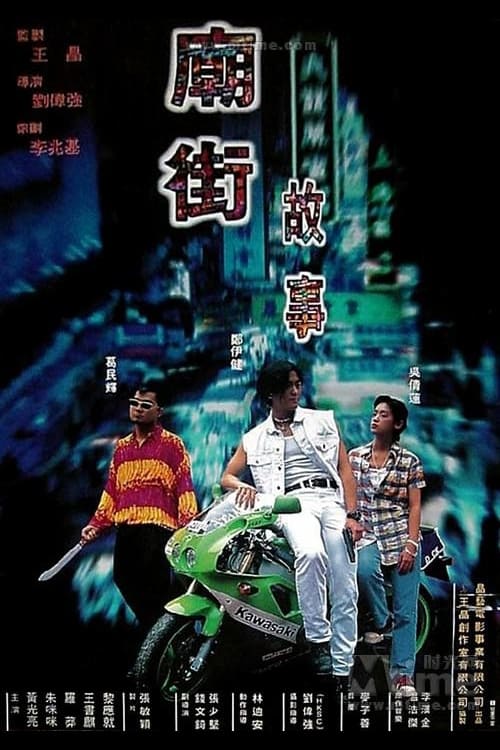
Mean Street Story
1995
No user ratings available yet
Representation score: 3.5 out of 10
Representation Score
Limited
1992
Director
Jeffrey Chiang Ka-Chun
Runtime
95 minutes
Average Rating
No ratings yetNew Showbiz Analysis
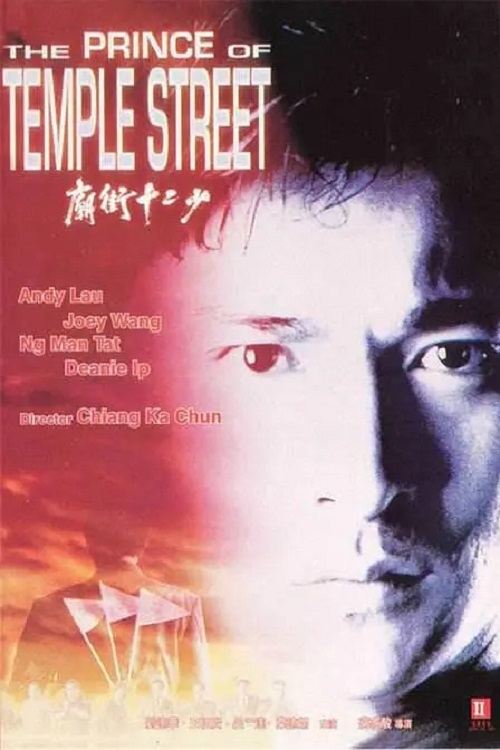
The Prince of Temple Street is a genre-driven exploration of localized honor and romantic conflict. It successfully portrays a culturally specific Hong Kong urban identity, focusing on local protagonists and their unique social codes. However, the film's narrative structure relies heavily on traditional masculine hierarchies and conventional romantic formulas. While it offers a strong sense of place and community, it lacks the diverse, multi-layered elements necessary for a higher diversity score.
Category Breakdown
The main storyline focuses on a traditional romance between the protagonist and a female missionary. There are no indications of queer undertones or non-conforming gender identities among the main characters.
The film highlights the tension between hyper-masculine triad archetypes and feminine influence. However, the female lead mainly serves as a moral guide for the male protagonist rather than having her own independent role.
The story is set in the Cantonese urban environment of Temple Street and emphasizes the actively leading representation of a specific local community, avoiding a Western-centric viewpoint.
The plot delves into the conflict between the triad code of honor and organized religion. It centers on localized morality and traditional loyalty within a specific social structure.
There is no apparent depiction of physical or neurodivergent disabilities in the film.
Present on Screen
Limited or Absent
Official Synopsis
Andy Lau stars in The Prince of Temple Street, a classic triad story of honor and righteousness. Andy Lau is "The Twelfth Young Master", so called because he was raised by twelve foster parents from the triad underworld. A lifelong resident of Temple Street, the Young Master is intimately familiar with the triad life, having been around triads his whole life. But things change when he meets a beautiful missionary named Teresa (Joey Wang). She desires to bring hope and faith to Temple Street, and the Young Master is drawn towards her.
1995
1999
1992
1989
1996
1989
2000
2001
No reviews yet. Be the first to share your thoughts on this movie!
Use the rating form above to leave a star rating and optional review.