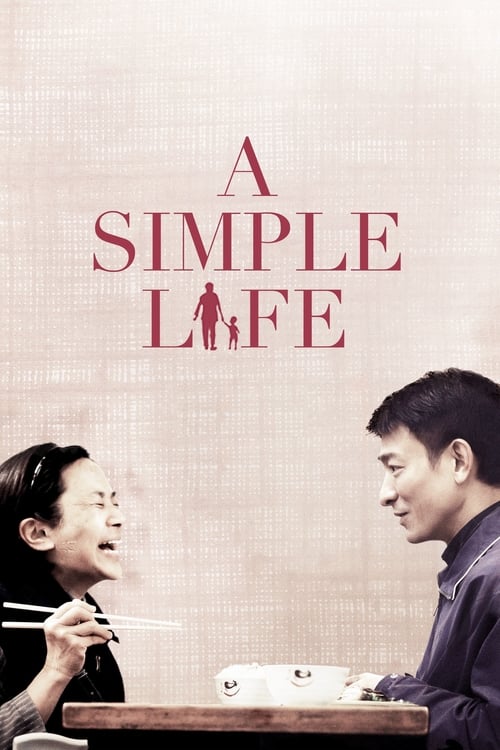
A Simple Life
2012
No user ratings available yet
Representation score: 9.0 out of 10

Representation Score
Good
2008
Director
Ann Hui
Runtime
91 minutes
Average Rating
No ratings yetNew Showbiz Analysis
Ann Hui’s direction offers a sophisticated look at the overlapping aspects of identity. By focusing on underrepresented communities, the film challenges traditional cinematic structures and avoids commercial clichés in favor of social realism. The film excels in portraying gender and class dynamics, presenting women as key figures in shaping their social realities. It goes beyond simple casting to address the broader issues of migration and urban stratification.
Category Breakdown
The film does not include explicit LGBTQ+ characters or romantic storylines. Instead, it focuses on platonic friendships and family relationships.
The narrative emphasizes the ability to act and emotional intelligence of women, avoiding traditional patriarchal roles. It highlights female solidarity and the experiences of teenage girls and single mothers.
Diversity is explored through socioeconomic status and regional identity. The film examines the tension between Mainland Chinese immigrants and local Hong Kong residents.
The story addresses post-colonial tensions and critiques of idealized capitalist prosperity. It uses a realistic lens to highlight the struggles of the working class within social hierarchies.
There are no prominent or central depictions of physical or neurodivergent disabilities. The narrative focuses on socioeconomic and generational dynamics.
Present on Screen
Limited or Absent
Official Synopsis
Cheung, a single mother living in an area with high crime rates, works hard to provide for her son while helping out her elderly neighbor.
2012

1985
1995

2008
2014

2008

2005
2008
No reviews yet. Be the first to share your thoughts on this movie!
Use the rating form above to leave a star rating and optional review.