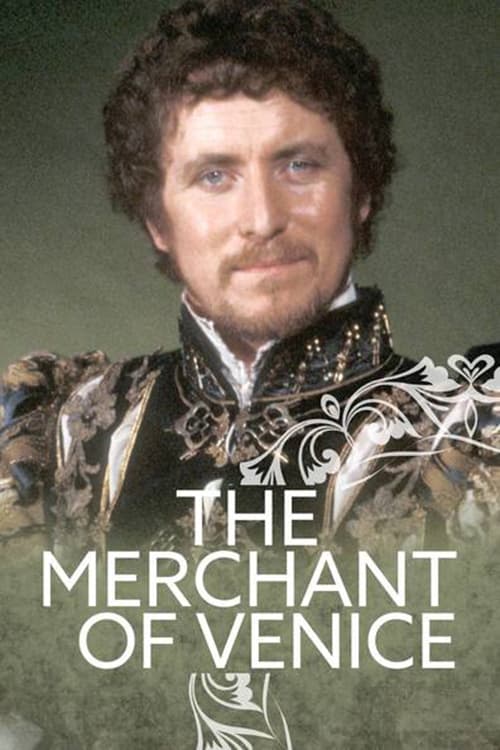
The Merchant of Venice
2004
No user ratings available yet
Representation score: 6.0 out of 10
Representation Score
Fair
1980
TV-14Director
Jack Gold
Runtime
157 minutes
Average Rating
No ratings yetNew Showbiz Analysis
Jack Gold’s adaptation excels by embracing the inherent conflicts in Shakespeare’s work rather than softening them. Its strongest point is the nuanced exploration of gender roles and institutional power dynamics, especially through Portia’s intellectual prowess. However, the film’s historical setting limits its scope, resulting in a lack of modern demographic variety. While it offers a detailed look at the social exclusion of Shylock, it does not address contemporary issues of diversity in race and disability.
Category Breakdown
The film centers on heterosexual relationships, particularly the romance between Bassanio and Portia. There are no characters with non-traditional gender identities or queer subtexts.
Portia challenges traditional gender roles by adopting a male persona to gain legal authority. She demonstrates significant influence and control over her own destiny.
The cast is primarily white, focusing on the conflict between Christian Venetians and the Jewish identity of Shylock. The film explores historical prejudices without addressing modern diversity issues.
The film examines the tension between rigid religious laws and the need for mercy towards outsiders. It critiques the institutional power structures and their impact on individuals.
None of the characters have physical or cognitive disabilities. There is no depiction of visible or invisible disabilities in the main narrative.
Present on Screen
Limited or Absent
Official Synopsis
A rich merchant, Antonio is depressed for no good reason, until his good friend Bassanio comes to tell him how he's in love with Portia. Portia's father has died and left a very strange will: only the man that picks the correct casket out of three (silver, gold, and lead) can marry her. Bassanio, unfortunately, is strapped for cash with which to go wooing, and Antonio wants to help, so Antonio borrows the money from Shylock, the money-lender. But Shylock has been nursing a grudge against Antonio's insults, and makes unusual terms to the loan. And when Antonio's business fails, those terms threaten his life, and it's up to Bassanio and Portia to save him.
No reviews yet. Be the first to share your thoughts on this movie!
Use the rating form above to leave a star rating and optional review.