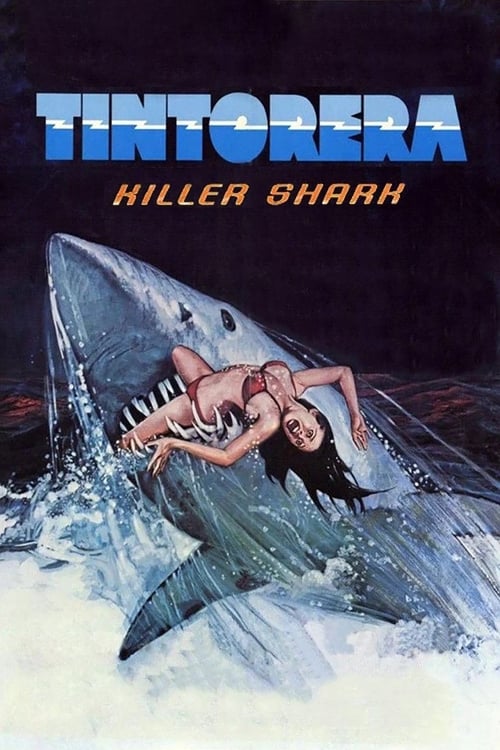
Tintorera: Killer Shark
1977
No user ratings available yet
Representation score: 2.7 out of 10

Representation Score
Limited
1956
ApprovedDirector
Edward L. Cahn
Runtime
66 minutes
Average Rating
No ratings yetNew Showbiz Analysis
Silent Fear is a mid-century melodrama that relies heavily on established genre clichés. While it includes a Mexican protagonist and setting, these elements function more as atmospheric backdrops than as tools for deep cultural exploration. The film's character dynamics reinforce traditional gender roles, positioning the male lead as a protector and the female lead as an emotionally volatile figure. Similarly, medical themes are used to drive plot tension rather than providing a meaningful look at disability. Ultimately, the film lacks the multi-layered approach necessary to move beyond the standard social hierarchies of its era.
Category Breakdown
The film follows a strictly straight-centered trajectory. The central conflict revolves around the romantic pursuit between Pete Carroll and Terry Perreau.
Terry shows some ability to act through her desire for adventure, but the plot remains focused on her emotional reactions. The male lead reinforces traditional masculine archetypes by acting as a physical protector.
The setting and protagonist provide moderate ethnic inclusion. However, the Mexican locations serve primarily as a backdrop for a romantic drama rather than exploring deeper cultural themes.
The story adheres to conventional mid-century melodrama. It focuses on individual romantic struggles and personal tragedy rather than challenging social or institutional hierarchies.
Terry’s terminal diagnosis serves as a catalyst for emotional melodrama. The medical crisis functions as a plot device to heighten romantic stakes rather than exploring nuanced lived experiences.
Present on Screen
Limited or Absent
Official Synopsis
Mexico miner Pete Carroll is in Acapulco and meets Terry Perreau and falls in love with her after he hears her singing on a recording of "Extraño amor". The troubled Terry decides she wants to go shark fishing, so Pete poses as the skipper of a fishing boat, owned by Thursday, and off they go. Pete lands a mantray and cuts it up for bait and the sharks are soon swarming, and Terry dives in the water. Terry does likewise and fights a few sharks and gets his leg gashed but finally rescues her. Gradually, her friendship also turns into love. But back in Acapulco she learns of Pete's "fake skipper" joke, is all hacked off and goes to Mexico City with her friend Dr. Antez. There, a specialist, Dr. Rivas tells her that unless she has a dangerous operation she has only three months to live. Depressed even more than usual, if possible, she returns to the hotel and is met by!
1977

1961
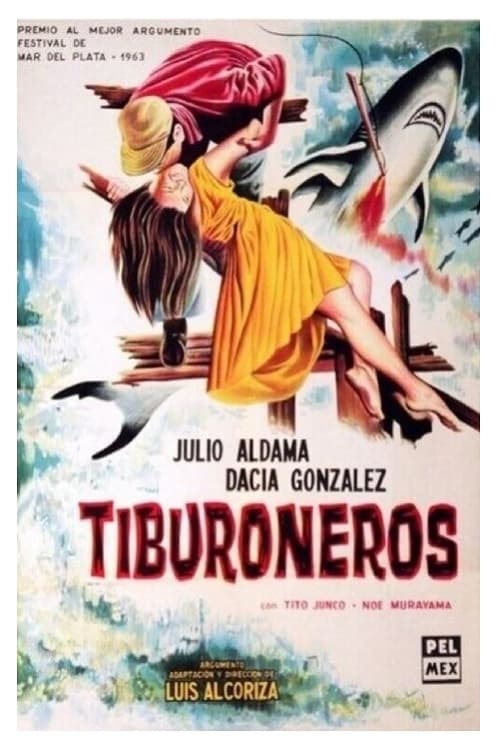
1963
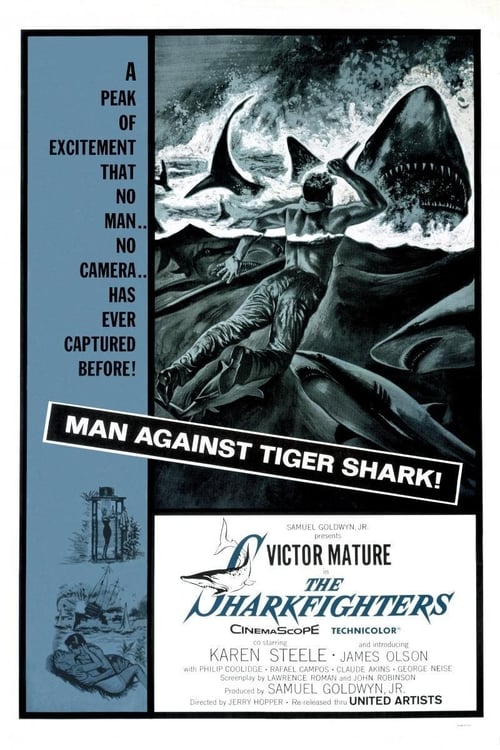
1956
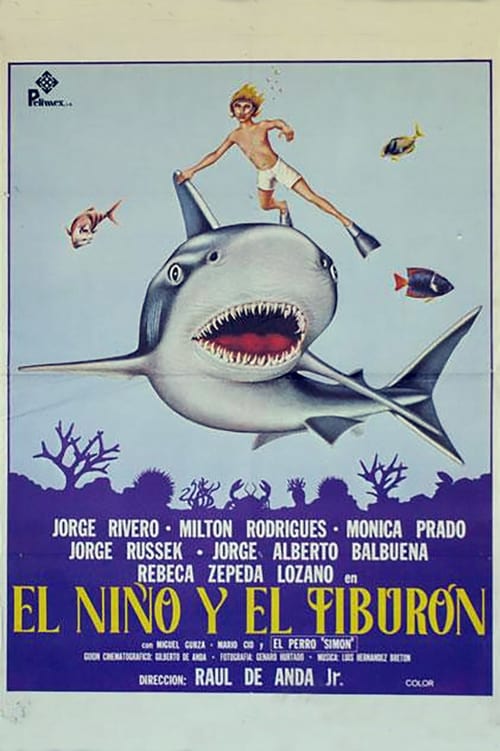
1978

1950
1954

1969
No reviews yet. Be the first to share your thoughts on this movie!
Use the rating form above to leave a star rating and optional review.