Great White Shark
2013
No user ratings available yet
Representation score: 2.9 out of 10
Representation Score
Limited
2021
TV-14Director
Kevin Bachar
Runtime
44 minutes
Average Rating
No ratings yetNew Showbiz Analysis
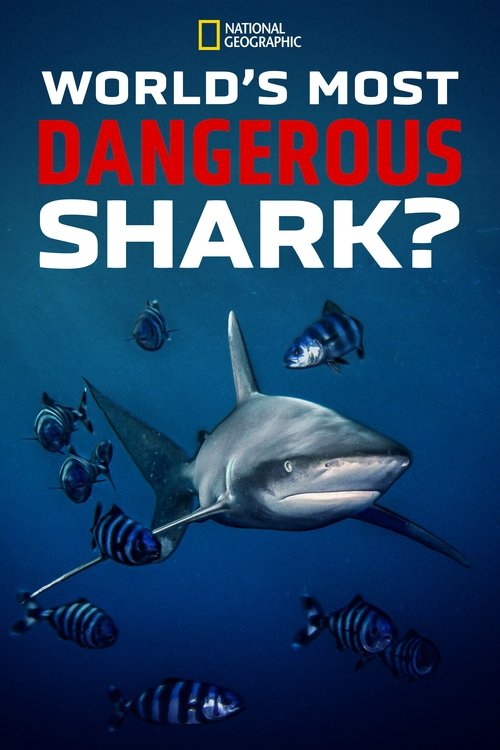
World's Most Dangerous Shark? is a nature documentary centered on the Oceanic White Tip shark. Since the subject is non-human, the film does not engage with human identity politics or social hierarchies. Its primary focus is on ecological facts and animal behavior, which means it lacks the structure needed to explore human diversity. The film operates as an observational piece rather than a platform for discussing complex social issues.
Category Breakdown
The film focuses entirely on marine biology and shark predatory behaviors. It contains no LGBTQ+ characters or narratives addressing non-assuming gender matches what was assigned at birth identities.
The narrative centers on ecological facts and animal behavior. It has little control over what happens to them-driven character arcs or any subversion of gendered power dynamics.
The documentary explores marine ecosystems rather than human social structures. There is no indication of a diverse human cast or racial intersections.
The film uses Jacques Cousteau's legacy to frame its inquiry. It maintains an observational tone without critiquing Western scientific traditions or religious morality.
The content remains strictly focused on the biological study of sharks. There is no evidence of characters with visible or invisible disabilities.
Present on Screen
Limited or Absent
Official Synopsis
The Great White has a scary reputation, but Explorer Jacques Cousteau called the Oceanic White Tip “The most dangerous of all sharks…" Was he right?
2013
2013
2011
2023
2018
2019
2021
2021
No reviews yet. Be the first to share your thoughts on this movie!
Use the rating form above to leave a star rating and optional review.