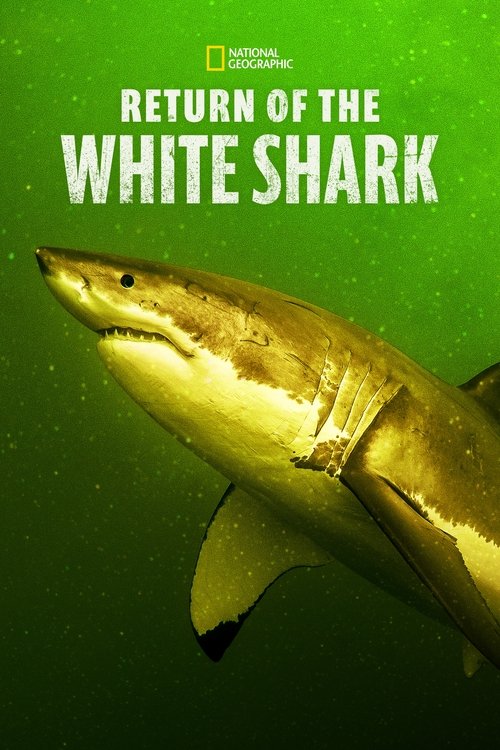
Return of the White Shark
2023
No user ratings available yet
Diversity score: 4.7 out of 10

2013
NRDirector
Steve McNicholas, Luke Cresswell
Runtime
40 minutes
Average Rating
No ratings yetSynopsis
Misrepresented, maligned and on the verge of extinction, the great white shark is an iconic predator: the creature we love to fear. Great White Shark will explore the great white's place in our imaginations, in our fears and in the reality of its role at the top of the oceanic food chain. The film will concentrate on key aggregation points around the world: Mexico, South Africa, Los Angeles and New Zealand. Key figures in the history of shark research, people whose lives have been changed by contact with the great white, will tell us of their experiences, culminating in a direct encounter between man and shark.
Overall Score
Limited
Category Breakdown
LGBTQ+ Representation
The film lacks any evidence of LGBTQ+ characters or narratives. As a nature documentary focused on marine biology, it does not address non-heteronormative identities.
Gender Representation
Representation of gender among shark researchers is unclear. While the film features experts and people impacted by sharks, specific demographic data on gender is limited.
Racial & Ethnic Diversity
The global scope across Mexico, South Africa, Los Angeles, and New Zealand suggests a diverse geographical presence. However, it is unconfirmed if local voices drive the scientific discourse.
Religious & Cultural Diversity
The film challenges human-centric hierarchies by reframing the shark's role in the ecosystem. It deconstructs the 'villain' archetype to shift perspectives on traditional predator narratives.
Disability Representation
There is no evidence of characters or subjects with visible or invisible disabilities. The focus remains strictly on marine biology and human-shark encounters.
Strengths
Areas for Improvement
AI Analysis
Great White Shark is a specialized natural history documentary that prioritizes ecological truth over social narrative. It seeks to disrupt anthropocentric fears by recontextualizing a maligned predator within a systemic oceanic framework. Because the film focuses on marine biology and global aggregation points, it lacks the intentionality required to address intersectional human identities. The narrative architecture is built around biological reality rather than social commentary. Ultimately, the film's score reflects its genre constraints. It functions as an environmental study rather than a vehicle for diverse human representation.
2023

2021
2015
2021

2014

2021

2017

2015

2016

2017

2000
2021
No reviews yet. Be the first to share your thoughts on this movie!
Use the rating form above to leave a star rating and optional review.