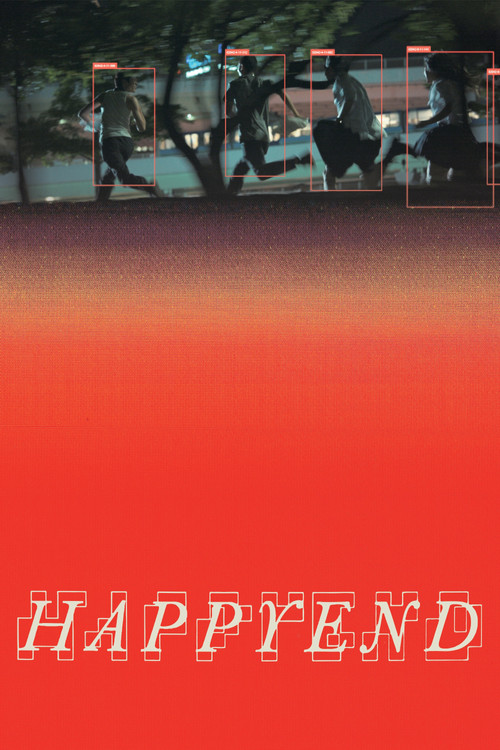
Happyend
2024
No user ratings available yet
Representation score: 5.3 out of 10

Representation Score
Limited
2023
Director
Neo Sora
Runtime
20 minutes
Average Rating
No ratings yetNew Showbiz Analysis
Sugar Glass Bottle opens in a near-future Tokyo where the hum of commerce threatens to drown out the quiet rhythms of a neighborhood. Director Neo Sora frames this not as a distant dystopia but as a creeping, material reality, where the "insidious forces" of gentrification are less a monster and more a slow leak. The film’s argument is simple: the spaces we share are being sold out, and the people who care for them are being pushed aside. The camera loves the frustration. Kou, played by Bun Kimura, is not a hero in the traditional sense but a resident whose mounting anger is validated by the story. His best friend Yuta helps him find a "surprising way" to express this, suggesting that the solution is as much about emotional release as it is about political action. The film treats the neighborhood not as a backdrop but as a character, one that is being drilled down by policing and profit. The contradiction lies in the scale. This is a short film, a neo-noir drama that deals with systemic forces through the lens of a single friendship. It does not offer a grand political revolution but a personal, warm nostalgia for what is being lost. The "cold, material reality" is not defeated but merely witnessed. The last image, implied by the tone, is not a victory but a memory—a sugar glass bottle that holds the shape of a community even as it shatters. It is a critique that trusts the audience to feel the weight of the loss without demanding a policy solution.
Category Breakdown
No queer characters appear. The narrative relies on platonic male friendship and neighborhood dynamics. Queer identity is absent from the cast and synopsis.
Women lack defined agency. Makiko Watanabe appears as Fukuko but carries no narrative weight. The plot is driven by male characters Kou and Yuta.
The cast is entirely Japanese, matching the near-future Tokyo setting. Non-white presence is the unmarked default. Local identity serves as the normative baseline without exoticization.
The film critiques commercialism and gentrification eroding community. Traditional neighborhood bonds are valued against materialistic expansion. The ending affirms local heritage over corporate development.
No disabled characters or impairments are mentioned. The narrative does not engage with disability as a theme. Neurodivergent traits are absent from the synopsis.
Present on Screen
Limited or Absent
Official Synopsis
Near-future Tokyo. Kou, through the help of his high school best friend, finds a surprising way to express his mounting frustration at the insidious forces of commercialism that are forcing out the neighbors he cares most about. Initially inspired by a prank that the writer-director Neo Sora (The Chicken, 2020) had pulled on him in his childhood, a sense of warm nostalgia and cold, material reality intermingle to tell a tale set in the not-so-distant future about disappearing spaces and the forces of policing and gentrification that drills this process forward.
2024
2022

2021

2020

2003
2019

2023
2018
No reviews yet. Be the first to share your thoughts on this movie!
Use the rating form above to leave a star rating and optional review.