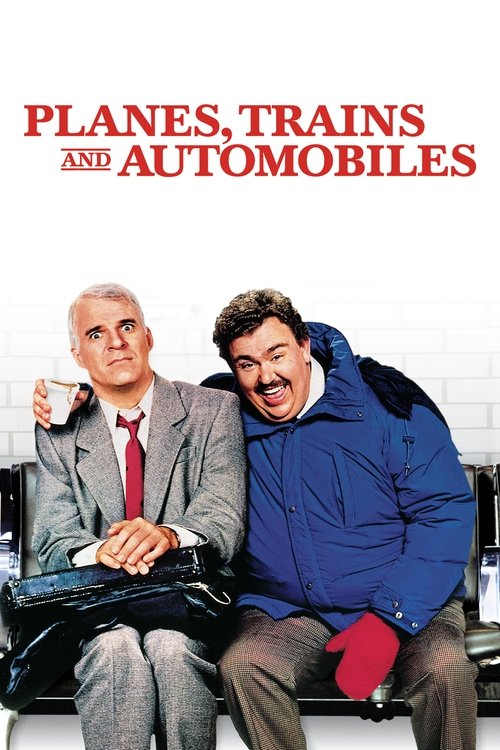
Planes, Trains and Automobiles
1987
No user ratings available yet
Representation score: 2.5 out of 10

Representation Score
Limited
1988
RDirector
Alan Metter
Runtime
89 minutes
Average Rating
No ratings yetNew Showbiz Analysis
Moving functions as a typical genre piece from the late 1980s, focusing on personal and professional adjustments. The narrative structure aligns with traditional social and cinematic conventions of the time. The film does not intentionally disrupt established social hierarchies. Instead, it follows a conventional framework centered around a male protagonist's career-driven relocation. Overall, the production adheres to the period's standard archetypes rather than pursuing more inclusive or diverse storytelling.
Category Breakdown
The film does not include non-straight or non-cisgender identities and operates within traditional social frameworks common to 1980s family comedies.
The story focuses on a male protagonist navigating a career change. It does not challenge traditional gender roles or provide complex female character arcs.
The Idaho setting and the idea of relocating suggest a focus on homogeneous social structures. There is no indication of characters of color with significant roles or casting that challenges era-specific norms.
The narrative emphasizes capitalist mobility and professional stability. It does not challenge traditional family institutions or prioritize secular perspectives.
There is no information available regarding the inclusion of characters with physical disabilities or neurodivergent traits.
Present on Screen
Limited or Absent
Official Synopsis
Arlo accepts what seems to him to be a dream promotion to Idaho. He soon discovers, however, that moving has its own share of problems.
1987
1970

1996

1985
1999

1968

1997

1983
No reviews yet. Be the first to share your thoughts on this movie!
Use the rating form above to leave a star rating and optional review.