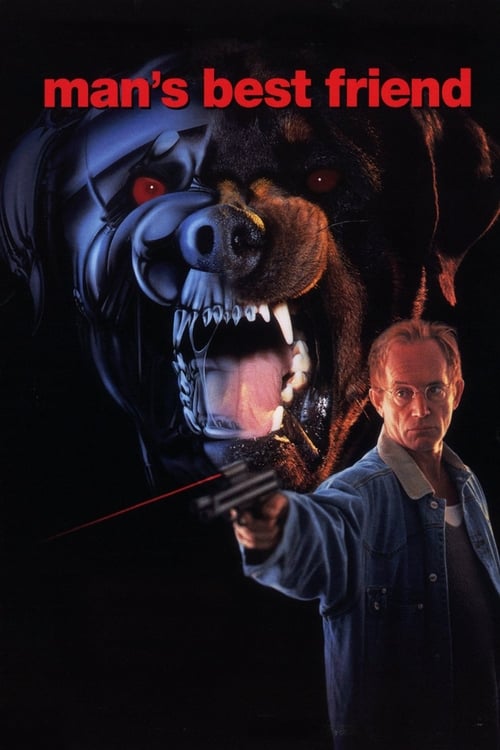
Man's Best Friend
1993
No user ratings available yet
Representation score: 1.4 out of 10

Representation Score
Limited
1989
RDirector
Jérôme Boivin
Runtime
82 minutes
Average Rating
No ratings yetNew Showbiz Analysis
Baxter is a stylized psychological study that prioritizes aesthetic and existential inquiry over social representation. The film focuses on the internal landscape of obsession and pathological behavior rather than broader social or cultural issues. The narrative remains anchored in a traditional demographic framework, using a culturally homogeneous European setting. While the surrealist approach disrupts conventional storytelling, it does not engage with identity politics or diverse social perspectives. Ultimately, the film functions as a character-driven exploration of individual instability. It lacks the breadth of representation needed to address broader social or cultural complexities.
Category Breakdown
The film does not include any LGBTQ+ characters or relationships that go beyond the assumption that everyone is straight or cisgender. The main conflict revolves around a typical, though troubled, romantic relationship.
The story portrays traditional power dynamics within a romantic relationship and does not challenge gender hierarchies or give female characters significant roles in driving the story.
Set in a stylized version of Paris, the film features a mostly white, European cast. The story does not include diverse ethnic identities or backgrounds.
The film uses a postmodern approach to question linear morality through a dreamlike narrative. However, it does not explicitly critique Western or institutional systems.
Psychological issues and obsessive behaviors are used to create tension in the horror plot. These elements serve the narrative rather than offering nuanced or authentic representations of mental health conditions.
Present on Screen
Limited or Absent
Official Synopsis
A white Bull Terrier named Baxter is given to an elderly woman by her daughter. As time passes, the dog develops aggressive and murderous behavior in order to be adopted by another family.
1993

1982

2001

1983

2020

2006

1982

2003
No reviews yet. Be the first to share your thoughts on this movie!
Use the rating form above to leave a star rating and optional review.