Asylum
1972
No user ratings available yet
Representation score: 7.9 out of 10
No Poster Available
Representation Score
Good
2012
Director
Simon Pummell
Runtime
86 minutes
Average Rating
No ratings yetNew Showbiz Analysis
Simon Pummell’s documentary is a sophisticated deconstruction of the cinematic gaze. It moves away from traditional identity politics to focus on the ethics of observation and the friction between Western media and local narratives. The film's primary strength is its post-colonial framework. By utilizing an African setting and cast, it actively challenges the extractive nature of Western filmmaking and centers non-Western perspectives. However, the film lacks representation in other areas. It provides no LGBTQ+ storylines and offers limited exploration of gendered ability to act, resulting in a moderate overall diversity profile.
Category Breakdown
The film does not include any LGBTQ+ characters or storylines. Its focus is on the intersection of myth and reality, which leaves little room for queer identities.
The film examines power dynamics between film crews and subjects. While it challenges authoritative hierarchies, it does not provide explicit evidence of women taking significant roles or subverting traditional gender roles.
The film excels with a post-colonial critique of the colonial gaze. Using an African cast, it disrupts Western media traditions and centers non-Western identities.
The film demonstrates cultural complexity by questioning Western institutional influence. It functions as an anti-extractive narrative that prioritizes subjective morality and local social realities.
The subject matter involves mental health and neurodivergence. However, the film treats psychological states through a postmodern lens rather than relying on traditional character clichés.
Present on Screen
Limited or Absent
Official Synopsis
This cross-media documentary (film, installation and website) explores the life and writings of Daniel Paul Schreber. Now famous as an Outsider Artist, Schreber was a successful lawyer, who in 1893, started to receive messages from God via a ‘Writing Down Machine’ that spanned the cosmos. He spent the next nine years confined to an asylum. This is his story.
1972
2006
1987

2016
2004
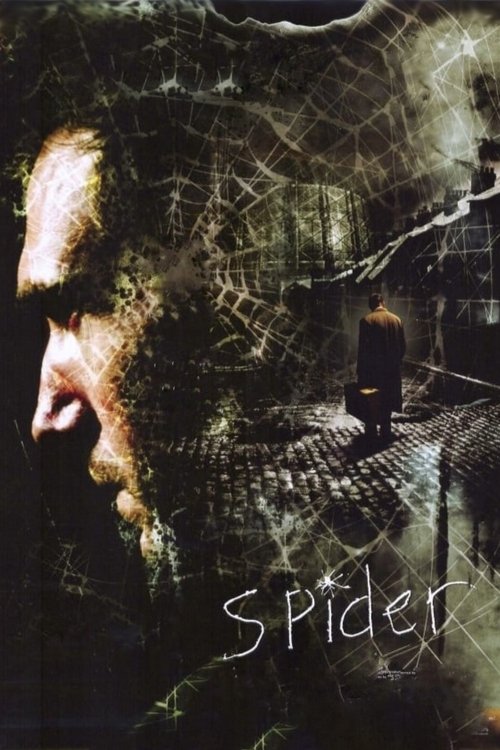
2002

2018

2009
No reviews yet. Be the first to share your thoughts on this movie!
Use the rating form above to leave a star rating and optional review.