
Dry Martina
2018
No user ratings available yet
Representation score: 6.6 out of 10

Representation Score
Fair
2019
Director
Julio Andrade
Runtime
94 minutes
Average Rating
No ratings yetNew Showbiz Analysis
Jugo de tamarindo stands out by grounding its story in a specific Peruvian context, using local motifs and a non-Western cast. This approach offers a culturally authentic experience that sets it apart from mainstream cinema. However, the film's reliance on the sexploitation genre raises questions about objectification. While it explores female-driven desire, it does not delve deeply into broader social identities or specific LGBTQ+ experiences. Overall, the film is a unique piece of independent Latin American cinema, though it could benefit from a more comprehensive exploration of diverse social identities.
Category Breakdown
The film explores sexual openness through the sexploitation genre but does not provide clear examples of LGBTQ+ identities or non-cisgender gender roles. There is no direct depiction of specific LGBTQ+ characters.
The story revolves around a female nightclub dancer and her ability to act, challenging traditional male-dominated romantic narratives. However, the genre may lead to objectification.
Set in Peru, the film features a predominantly non-Anglo-Saxon cast and highlights a regional perspective. This contrasts with the typical Western-centric narratives found in many films.
The film sets its scene in a modern, urban nightclub that emphasizes personal desires and sensory experiences. It avoids traditional social or religious structures, focusing instead on individual experiences.
The film does not include any characters with visible or invisible disabilities in its storyline.
Present on Screen
Limited or Absent
Official Synopsis
The story of a composer who becomes romantically involved with a nightclub dancer chased by his ex-partner, while the drink "tamarind juice" is the perfect aphrodisiac.
2018

1992

2011
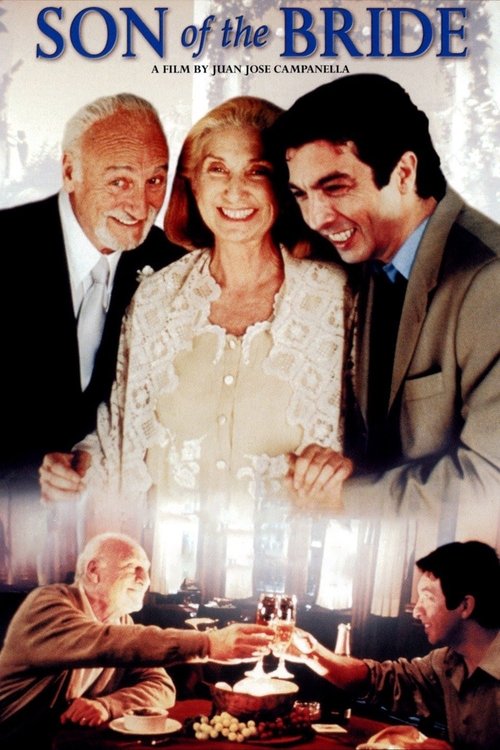
2001

2012

1993

2019

2004
No reviews yet. Be the first to share your thoughts on this movie!
Use the rating form above to leave a star rating and optional review.