
Hearts
2018
No user ratings available yet
Representation score: 4.6 out of 10
Representation Score
Good
1988
Director
Raimundas Banionis
Runtime
82 minutes
Average Rating
No ratings yetNew Showbiz Analysis
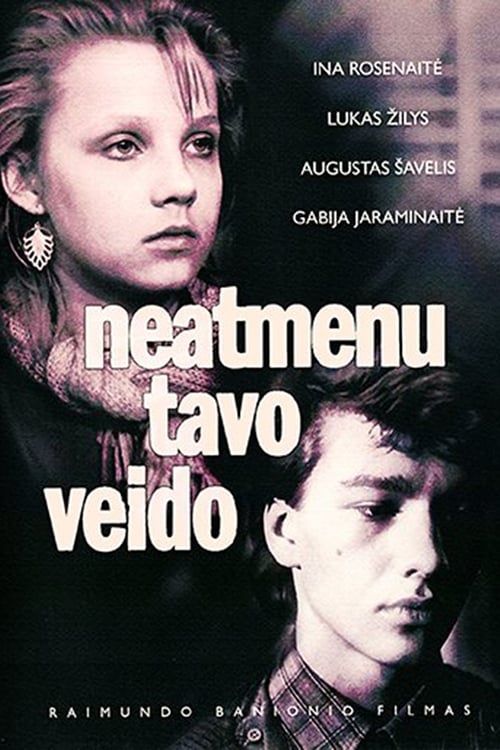
I No Longer Remember Your Face is a period-specific drama that excels in character-driven emotional stakes. By centering the story on a young woman navigating chronic illness, the film provides a meaningful look at disability and personal ability to act within a restrictive environment. However, the film lacks modern multi-layered breadth. The narrative operates within a narrow demographic scope, focusing on a traditional heterosexual romance that offers little representation for LGBTQ+ or racially diverse audiences. Ultimately, the film succeeds as a critique of institutional overreach, even if it remains limited by the social norms of its era.
Category Breakdown
The film focuses on a heterosexual relationship between Leta and Saulius. There is no indication of queer subtext or non-cisgender identities.
Leta is the main character, driving the emotional storyline through her struggle with illness. The story highlights her personal ability to act against restrictive medical authorities.
The cast appears homogeneous, reflecting the specific regional and demographic context of its 1988 production. There is no blending of different racial backgrounds.
The narrative criticizes rigid institutional structures by portraying doctors as obstacles to human connection. It emphasizes individual emotional autonomy over systemic regulation.
Leta's heart disease is a central part of her identity rather than a mere plot device. Her physical vulnerability is deeply integrated into the dramatic tension.
Present on Screen
Limited or Absent
Official Synopsis
Story about teenage love in sanatorium. Leta, a girl with a heart disease, and Saulius, a new boy in sanatorium, fall in love with each other, but doctors try to forbid young people feelings.
2018
1931

2019

2009
2001

2008
1978
1978
No reviews yet. Be the first to share your thoughts on this movie!
Use the rating form above to leave a star rating and optional review.