
Home for Christmas
1990
No user ratings available yet
Diversity score: 3.2 out of 10
1995
PGDirector
Martha Coolidge
Runtime
115 minutes
Average Rating
No ratings yetSynopsis
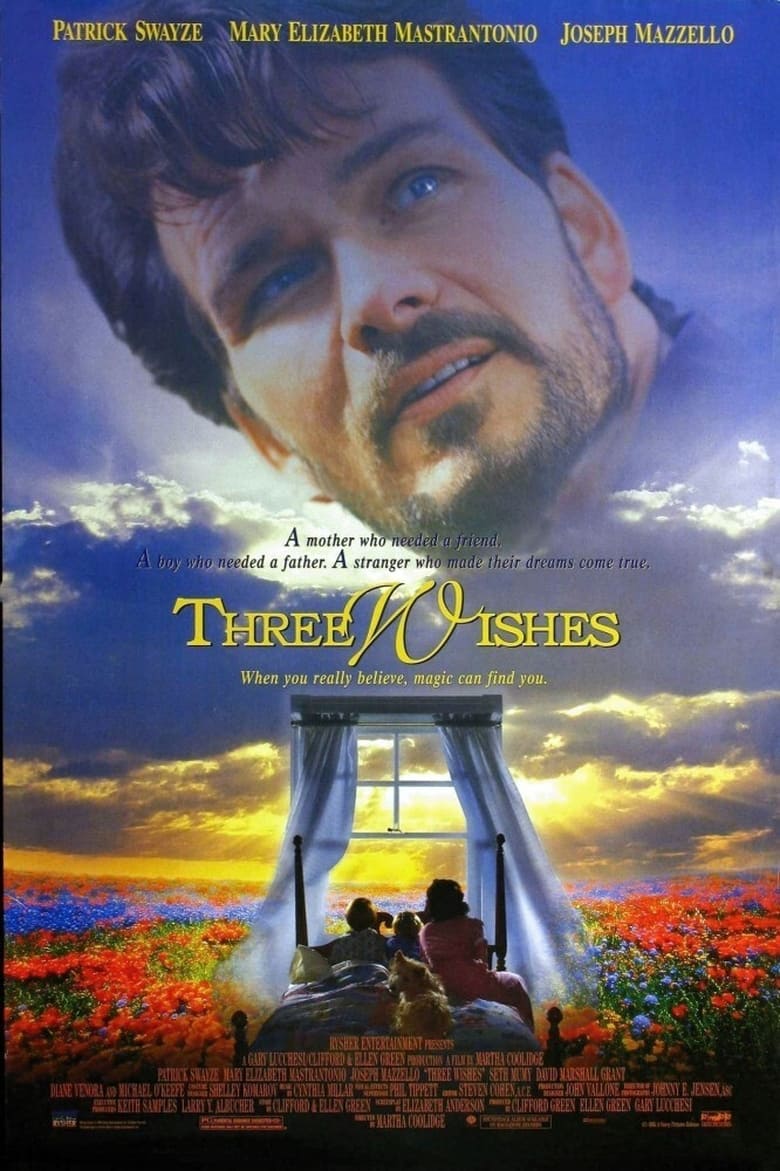
While Jane Holman is driving with her two sons, she accidentally runs into a drifter, Jack McCloud, who breaks his leg. Being responsible, Jane invites Jack, and his dog, to stay at her home until his leg has healed. Jack struggles to adapt their lifestyle, and finds himself loved by the family.
Overall Score
Limited
Category Breakdown
LGBTQ+ Representation
The film adheres to traditional heteronormative structures. It lacks explicit LGBTQ+ identities or same-sex intimacy as central plot elements.
Gender Representation
Jane Holman serves as the primary decision-maker and head of the household. This subverts patriarchal tropes by placing domestic agency in her hands.
Racial & Ethnic Diversity
The cast lacks significant racial or ethnic diversity. The setting suggests a homogeneous social environment focused on socioeconomic friction rather than intersectional identity.
Religious & Cultural Diversity
The story explores the disruption of domestic norms through an outsider. However, it remains a traditional family drama without deep institutional or secular critiques.
Disability Representation
Jack McCloud’s broken leg drives the plot. The film focuses on his emotional adaptation and social reintegration rather than treating the injury as a mere device.
Strengths
Areas for Improvement
AI Analysis
Three Wishes functions as a character-driven drama that offers moderate subversion of traditional gender roles. By centering a female protagonist as the household's primary authority, the film challenges standard patriarchal hierarchies. However, the narrative lacks intersectional complexity. The story remains within a traditional framework, focusing on socioeconomic differences between a settled family and a transient guest rather than broader systemic or cultural critiques. While the film provides meaningful agency to its female and disabled characters, the lack of racial diversity and LGBTQ+ representation keeps the overall score low.
No reviews yet. Be the first to share your thoughts on this movie!
Use the rating form above to leave a star rating and optional review.