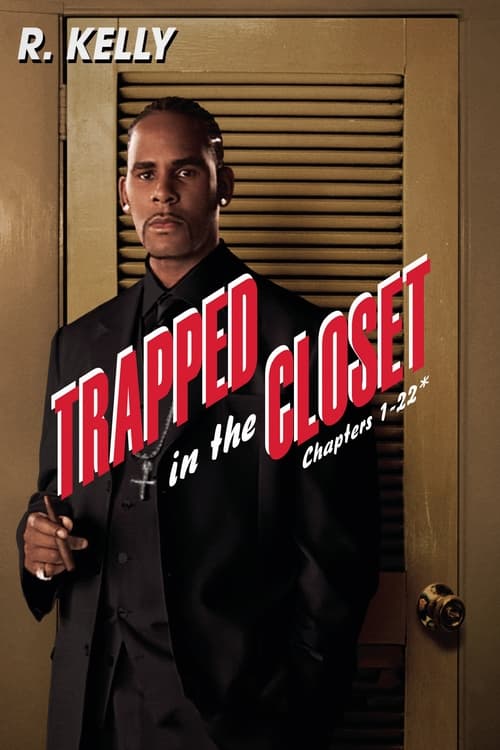
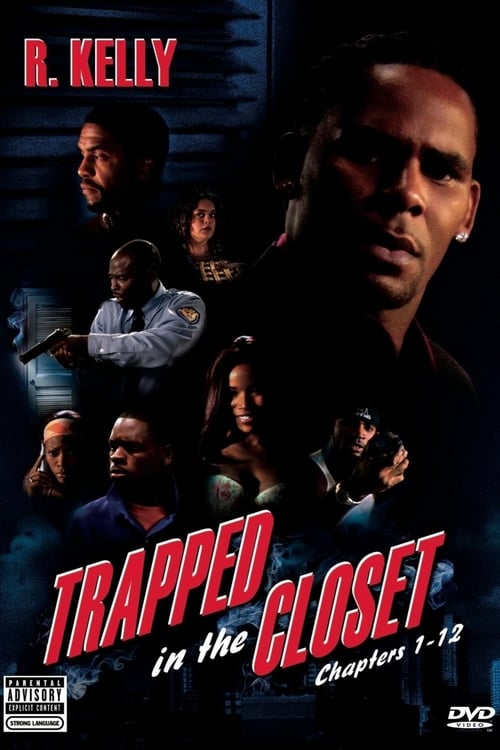
Trapped in the Closet: Chapters 1-22
2007
No user ratings available yet
Representation score: 2.3 out of 10
Representation Score
Limited
2007
RDirector
R. Kelly, Jim Swaffield, Victor Mignatti
Runtime
48 minutes
Average Rating
No ratings yetNew Showbiz Analysis
The series functions as a genre-specific melodrama centered on interpersonal dysfunction. While it provides a platform for Black protagonists within a complex narrative, it lacks depth in representing multiple aspects of diversity. The work operates within conventional romantic clichés and fails to include LGBTQ+ identities or disability representation. It focuses on individual betrayal rather than challenging broader social or institutional hierarchies. Ultimately, the narrative prioritizes stylistic melodrama and domestic strife over progressive social critique or diverse representation.
Category Breakdown
The story focuses almost entirely on heterosexual relationships and does not include any characters with non-binary gender identities or stories that challenge traditional gender norms.
The series explores gender through themes of infidelity and domestic deception. While it portrays interpersonal chaos, it relies on traditional gender stereotypes rather than challenging these norms.
The work features a predominantly Black cast, providing a platform for Black characters to drive a high-stakes drama. This moves away from the monolithic portrayals common in mainstream media.
The plot prioritizes personal morality and situational ethics over institutional critique. Social behavior is characterized by high levels of dysfunction, presented as a stylistic choice.
There is no presence of characters with visible or invisible disabilities. The chapters lack any evidence of neurodivergent representation.
Present on Screen
Limited or Absent
Official Synopsis
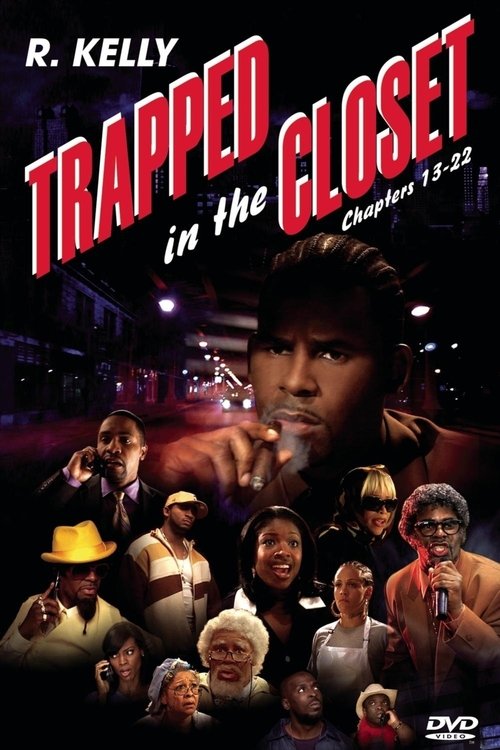
The second half of R. Kelly's unfinished hip hop opera
2007

2005
2012
2022
2005
No reviews yet. Be the first to share your thoughts on this movie!
Use the rating form above to leave a star rating and optional review.