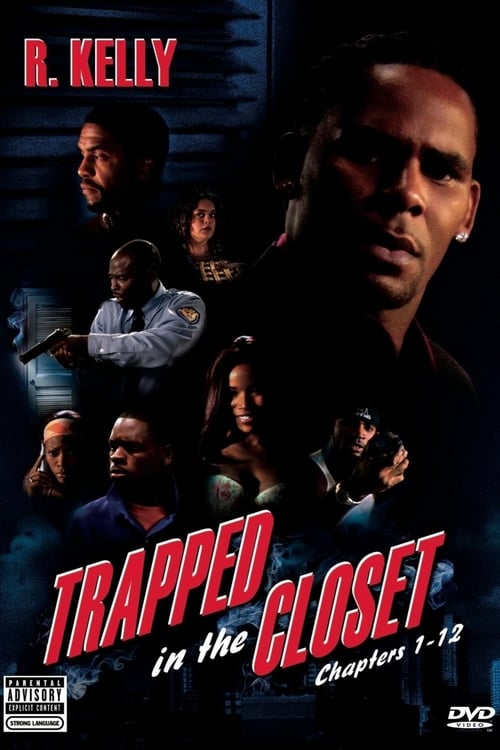
Trapped in the Closet: Chapters 1-12
2005
No user ratings available yet
Representation score: 5.2 out of 10
Representation Score
Fair
2012
Not RatedDirector
Jim Swaffield, R. Kelly
Runtime
45 minutes
Average Rating
No ratings yetNew Showbiz Analysis
The series stands out by emphasizing morally ambiguous character arcs rather than straightforward moral lessons. It focuses on dismantling traditional family stability and unconventional relationship structures. While the show offers strong racial representation through its predominantly Black cast, it lacks depth in other areas. There is no representation of disabilities or explicit LGBTQ+ identities. Overall, the narrative challenges traditional social hierarchies and familial virtues, even though it leans on established romantic clichés.
Category Breakdown
The story explores themes of infidelity and non-monogamous relationships that challenge traditional expectations. However, it doesn't explicitly include LGBTQ+ identities or a critique of the assumption that everyone is straight or cisgender from a queer perspective.
Female characters play key roles in driving plot tension within male-dominated social structures. These portrayals shift between highlighting women's ability to drive the story and reinforcing traditional romantic conflicts.
The series features a predominantly Black cast, focusing on Black lived experiences and social dynamics within a musical-drama context.
The work depicts traditional Western institutions, such as the nuclear family, as sources of dysfunction and instability. It uses situational ethics and moral relativism to advance the plot.
There is no indication of characters with visible or invisible disabilities in the series.
Present on Screen
Limited or Absent
Official Synopsis
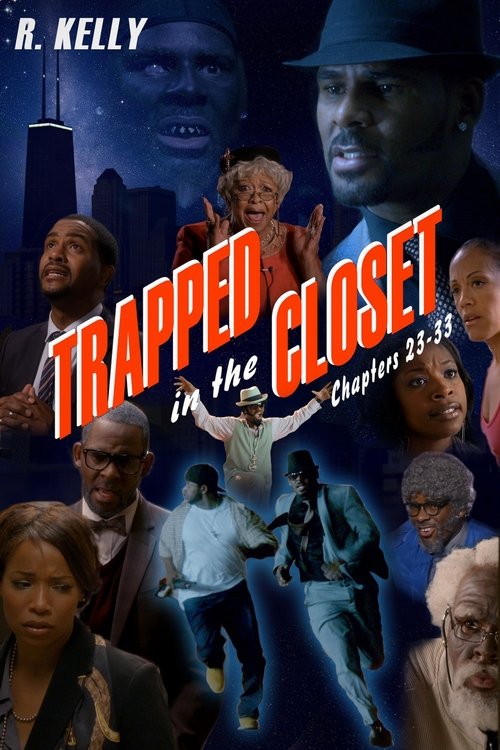
The long awaited sequel to R. Kelly's "Trapped in the closet" series.
2005
2007
2007
No reviews yet. Be the first to share your thoughts on this movie!
Use the rating form above to leave a star rating and optional review.