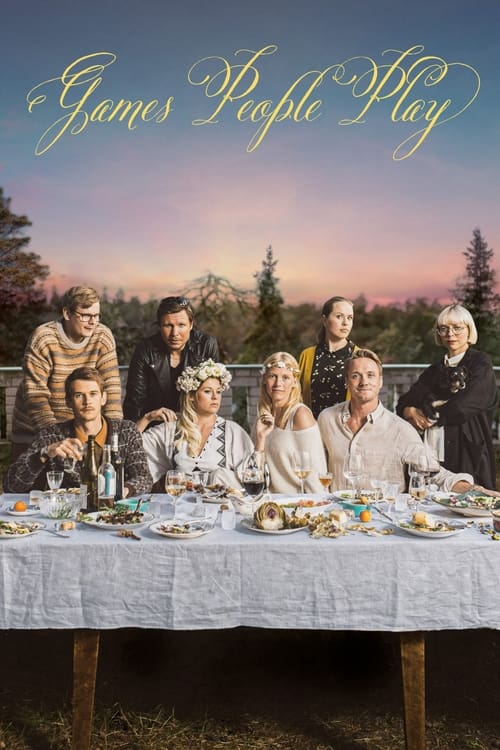
Games People Play
2020
No user ratings available yet
Representation score: 4.4 out of 10

Representation Score
Good
2012
Director
Levan Akin
Runtime
106 minutes
Average Rating
No ratings yetNew Showbiz Analysis
Certain People is a sophisticated exploration of identity and social friction. By centering a queer relationship, the film moves LGBTQ+ themes from the margins to the core of the narrative arc. This intentionality drives the emotional tension of the story. The film also succeeds in subverting gender clichés, focusing on women's ability to drive the story rather than male-driven conflict. While the cast remains largely homogenous in terms of race, the film uses the Georgian urban-rural divide to explore complex cultural identities. Ultimately, the film uses a specific cultural backdrop to examine universal struggles for autonomy.
Category Breakdown
The film centers on a relationship between two women, moving queer identity from the periphery to the heart of the plot. This same-sex intimacy acts as the primary catalyst for social tension.
The narrative subverts traditional hierarchies by prioritizing the internal lives and interpersonal connections of its female protagonists. It focuses on female emotional autonomy rather than male-driven conflict.
The cast is predominantly Georgian, reflecting a specific cultural landscape. The film explores ethnic identity through the lens of the urban-rural divide rather than multi-ethnic casting.
The story pits personal truth against rigid communal expectations. It contrasts liberal urbanites with a conservative, traditionalist rural setting, critiquing restrictive traditional structures.
There is no significant evidence regarding the portrayal of visible or invisible disabilities within the narrative.
Present on Screen
Limited or Absent
Official Synopsis
A small group of friends are gathered at Katinka's summer house to celebrate her birthday. The guests are all in their thirties, upper class, art world, liberal humanitarian bohemians. They sit on the floor smoking amongst books, antiques and modern art. The party sets off on a high note, when suddenly during dinner, two new guests arrive. Linda, a blonde game show hostess, is unexpectedly brought to the party by Katinka's brother. Linda is greeted warmly at first, her brusque and liberated manners are entertaining and fresh. But during the course of the evening Linda stretches the groups invisible social rules of hospitality. Contempt starts to grow, thus unfolding the groups hidden prejudices.
2020

1939

2018

1986

2017

2017

2016
1990
No reviews yet. Be the first to share your thoughts on this movie!
Use the rating form above to leave a star rating and optional review.