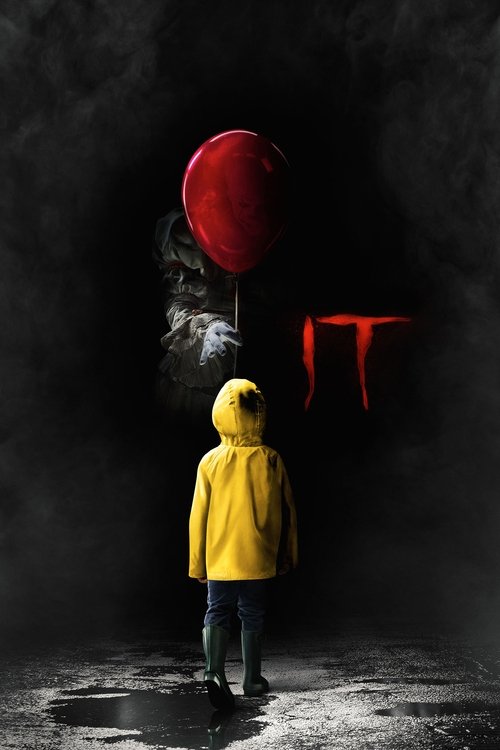
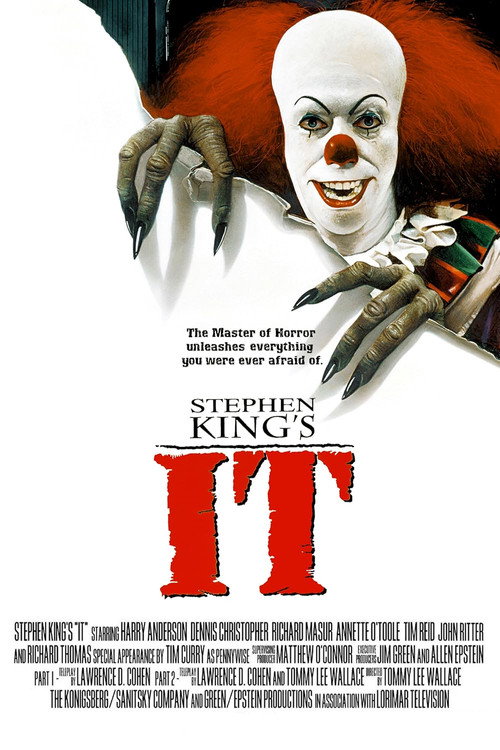
It
2017
No user ratings available yet
Representation score: 8.4 out of 10
Representation Score
Limited
1990
TV-14Director
Tommy Lee Wallace
Runtime
192 minutes
Average Rating
No ratings yetNew Showbiz Analysis
The miniseries reflects the demographics and social attitudes of its time. The core group of friends is almost entirely white and male, with Beverly Marsh as the sole female perspective. Her character is pivotal but defined by the trauma she endures. Mike Hanlon provides some racial diversity, though he is often sidelined in the childhood timeline. The film critiques adult authority, showing parents and police as useless or dangerous. This shifts the power to the children, who must act without guidance. However, the absence of LGBTQ+ representation and the use of slurs without consequence limit its inclusivity. Disability is handled with some nuance through Eddie’s asthma, avoiding pure mockery.
Category Breakdown
No openly LGBTQ+ characters appear in the Losers’ Club or the adult cast. The film includes period-appropriate homophobic slurs used by children and adults, with no on-screen pushback against that language.
The plot centers on boys; Beverly Marsh is the only girl in the core group and her arc focuses on surviving sexual harassment and an abusive father. She shows courage, but her story is framed largely around male protection and victimization.
The Losers’ Club is almost entirely white. Tim Reid plays Mike Hanlon, a Black friend who returns as an adult, but minority characters lack deep narrative arcs. Richie Tozier’s Jewish identity is noted through jokes, not central themes.
Adults are shown as incompetent or corrupt, forcing children to handle their own safety and take direct action against the monster. Family dysfunction is common, with abusive or overbearing parents, while religion plays a minor background role.
Eddie Kaspbrak has severe asthma, which influences his anxiety and dependence on his mother. The condition is treated as a real part of his life rather than a joke, though his bravery is often tied to overcoming his illness.
Present on Screen
Limited or Absent
Official Synopsis
In 1960, seven pre-teen outcasts fight an evil demon who poses as a child-killing clown. Thirty years later, they reunite to stop the demon once and for all when it returns to their hometown.
2017
1988
1998
1987

2005
1980

2019
1988
No reviews yet. Be the first to share your thoughts on this movie!
Use the rating form above to leave a star rating and optional review.