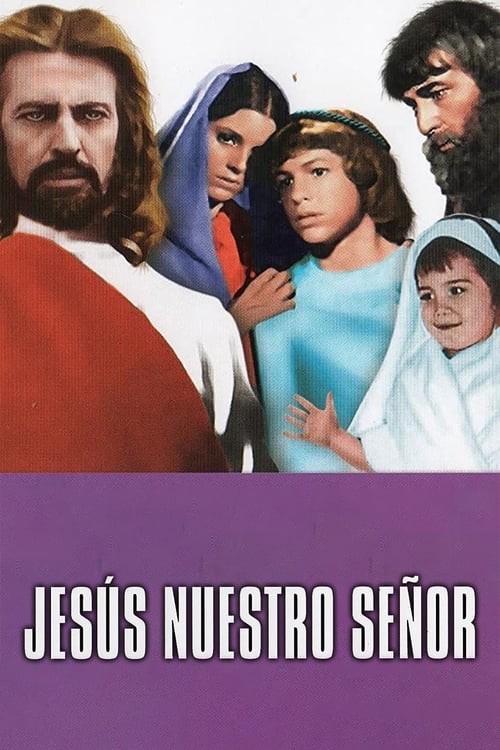
Jesús, nuestro Señor
1971
No user ratings available yet
Diversity score: 2.4 out of 10
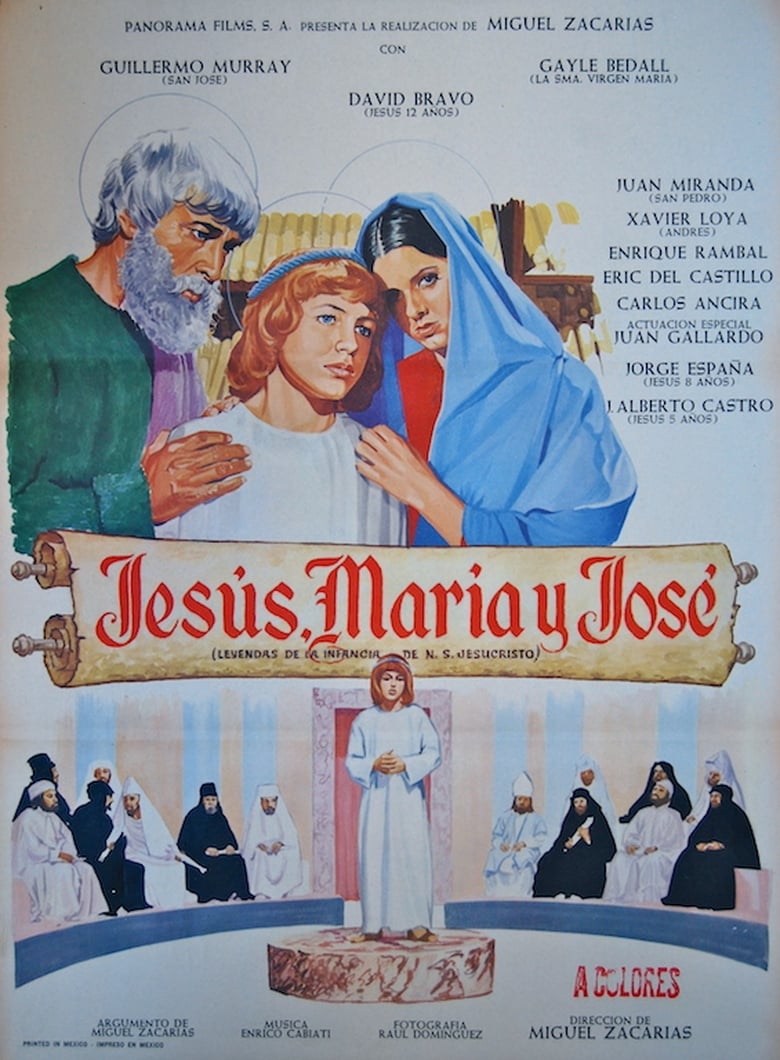
1972
Director
Miguel Zacarías
Runtime
85 minutes
Average Rating
No ratings yetSynopsis
The founder of Christianity and his sacred family.
Overall Score
Minimal
Category Breakdown
LGBTQ+ Representation
The film contains no discernible presence of non-cisnormative identities or same-sex intimacy. It functions within a traditional framework that offers no queer narratives.
Gender Representation
The narrative reinforces traditional gender hierarchies and patriarchal family units. Women are largely confined to domestic roles that align with mid-20th-century cinematic conventions.
Racial & Ethnic Diversity
A primarily Mexican cast provides cultural authenticity to the rural experience. However, the film operates within a homogeneous social framework without disrupting ethnic hierarchies.
Religious & Cultural Diversity
Catholic imagery and religious morality form the central social fabric. The story prioritizes Christian ideals and the stability of the traditional family unit.
Disability Representation
There is no evidence of characters with visible or invisible disabilities being integrated into the narrative. The focus remains on broader interpersonal and moral struggles.
Strengths
Areas for Improvement
AI Analysis
Jesús, María y José is a period-accurate reflection of the conservative religious and social landscape of 1970s Mexican cinema. It functions as a traditional social melodrama that prioritizes the preservation of established hierarchies rather than their deconstruction. The film's strength lies in its cultural authenticity, utilizing a Mexican cast to ground the story in a specific rural experience. However, this homogeneity comes at the expense of intersectional depth, as the narrative avoids any subversion of gender or religious norms. Ultimately, the work serves to uphold traditional pillars of family and faith. It lacks representation for LGBTQ+ individuals and people with disabilities, focusing instead on a singular, conventional worldview.
No reviews yet. Be the first to share your thoughts on this movie!
Use the rating form above to leave a star rating and optional review.