Exo-Man
1977
No user ratings available yet
Representation score: 3.6 out of 10
Representation Score
Good
1994
Director
Eric Laneuville
Runtime
95 minutes
Average Rating
No ratings yetNew Showbiz Analysis
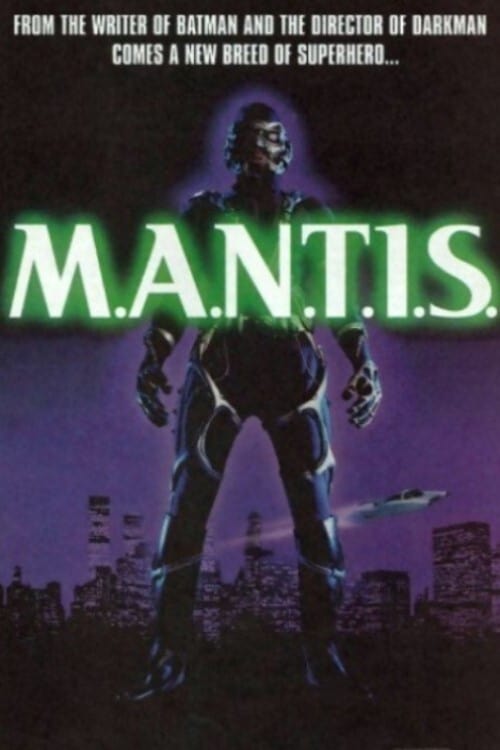
M.A.N.T.I.S. stands out for its progressive approach to race and disability. By centering a brilliant Black scientist as the main agent of justice, the film breaks away from common racial stereotypes of the 1990s. It avoids treating disability as a problem to be fixed, instead using the exoskeleton to enhance the character's autonomy. However, the film adheres to traditional social frameworks of the era. It lacks LGBTQ+ visibility and sticks to conventional action clichés. While the protagonist's intellect and empowerment are innovative, the broader social landscape remains conventional.
Category Breakdown
There are no LGBTQ+ characters or narratives in the film. The story centers around the protagonist's technological journey and heroic arc.
Gender roles follow typical 1990s action movie conventions. The narrative does not significantly challenge traditional masculine leadership roles.
The film casts Carl Lumbly as Dr. Miles Hawkins, providing strong representation. It avoids sidekick clichés by making a Black man the central intellectual authority.
The story examines vigilantism through technological advancements. It does not explicitly criticize Western institutions or promote anti-capitalist messages.
The protagonist is a wheelchair-bound scientist. The film avoids 'inspiration porn' by using technology to grant him autonomy rather than portraying his disability negatively.
Present on Screen
Limited or Absent
Official Synopsis
A brilliant, wheelchair-bound scientist invents a form of exo-skeleton called the Mechanically Augmented Neuro Transmitter Interception System (M.A.N.T.I.S.) that turns him into a superhero and gives him the ability to fight the crime wave that is engulfing his city.
1977

2016
1990
2006

2012

1990

1997

2005
No reviews yet. Be the first to share your thoughts on this movie!
Use the rating form above to leave a star rating and optional review.