
Karnan
2021
No user ratings available yet
Representation score: 4.0 out of 10
Representation Score
Good
2014
Not RatedDirector
Pa. Ranjith
Runtime
156 minutes
Average Rating
No ratings yetNew Showbiz Analysis
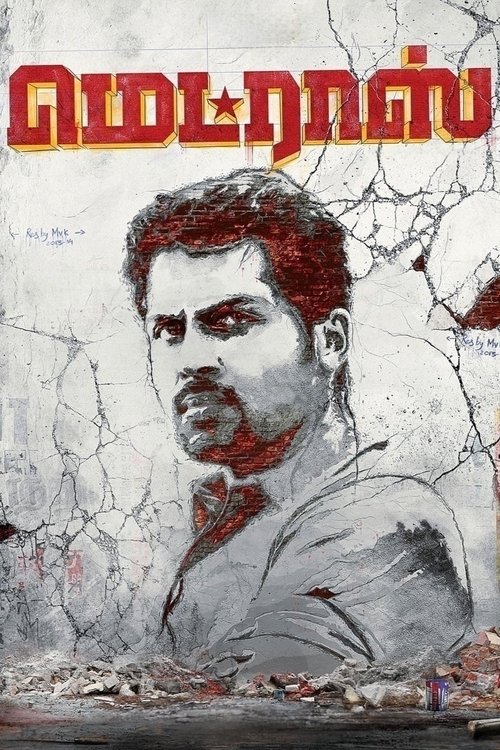
Madras is a powerful piece of social commentary that disrupts mainstream narratives by centering the political ability to act of underrepresented communities. It excels in its representation of Dalit identity, positioning these voices as the primary architects of their own destiny. However, the film operates within a traditional gender hierarchy. The political struggle is heavily masculine-coded, leaving women and queer identities on the periphery of the central narrative arc. Ultimately, the film's strength lies in its systemic critique. It uses the lived experiences of North Chennai to challenge institutionalized power and traditional social hierarchies.
Category Breakdown
The film focuses on a male-dominated political landscape. It lacks specific character arcs or identities addressing LGBTQ+ identities or non-straight relationships.
Men drive the central political maneuvering and plot. While women are part of the community fabric, they largely occupy the periphery of the conflict.
The film centers Dalit identity and the socio-economic realities of North Chennai. It grants underrepresented characters high ability to act, challenging upper-caste dominance in regional cinema.
The narrative critiques established power structures and state authorities. It frames morality through community survival and grassroots resistance against systemic corruption.
There is no significant emphasis on physical or neurodivergent disabilities. Characters are defined by socio-political and caste identities instead.
Present on Screen
Limited or Absent
Official Synopsis
A portrayal of the lives of the people living in North Madras, focusing on the politics inside the slums and how their plight remains the same, despite the political class luring them constantly during elections.
2021

2013

2018
2023
2005

2022
2016

2018
No reviews yet. Be the first to share your thoughts on this movie!
Use the rating form above to leave a star rating and optional review.