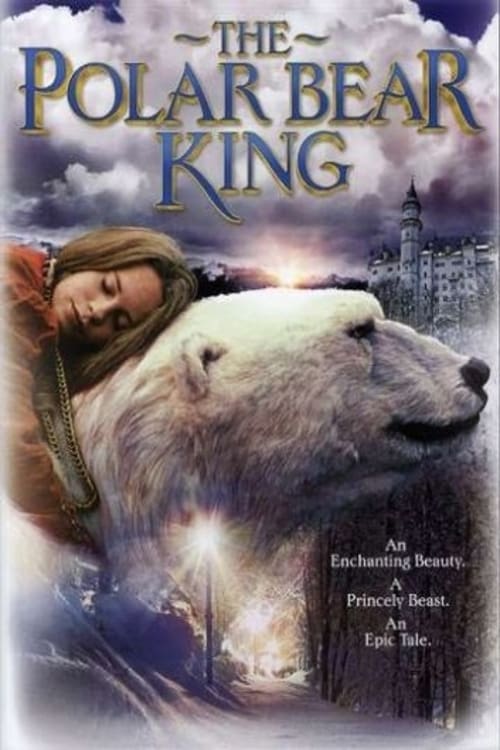
The Polar Bear King
1991
No user ratings available yet
Representation score: 2.5 out of 10
Representation Score
Fair
1987
Director
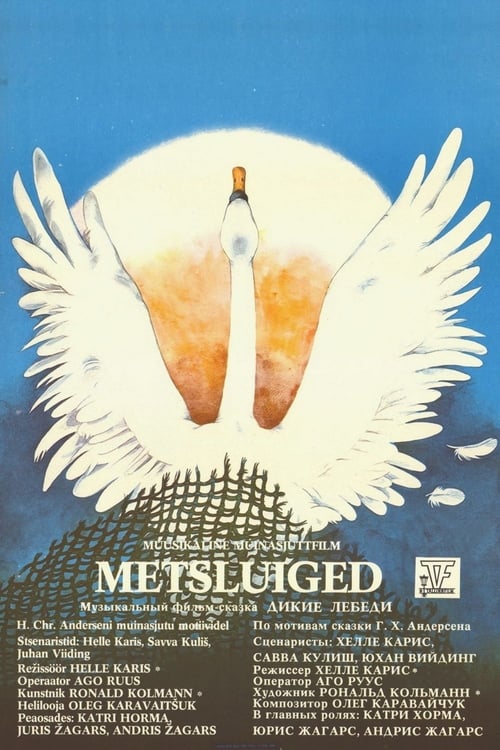
Helle Karis
Runtime
86 minutes
Average Rating
No ratings yetNew Showbiz Analysis
The film centers on a female protagonist who must overcome a stepmother's magic to save her brothers. This shift in power provides a strong foundation for gender ability to act, as the female lead drives the narrative while the male characters are rendered helpless. However, the film remains deeply rooted in traditional folklore structures. The setting and character dynamics suggest a homogeneous European landscape, lacking significant racial or ethnic variety. The themes of transformation touch on ability to act but do not explore disability with depth. Ultimately, the work functions as a classic adventure-fantasy. While it empowers its female lead, it lacks the layered complexity or critical examination required for a higher diversity score.
Category Breakdown
The story emphasizes family bonds and a conflict with a maternal figure. It does not include any queer themes or non-straight relationships.
Eliise is the main driver of change, challenging traditional hierarchies. She shows resilience to push the plot forward while the princes remain passive and vulnerable.
The setting hints at a traditional European folklore environment. The narrative seems to favor a homogeneous demographic typical of the genre.
The plot follows a traditional battle between good and evil. The goal is to restore the monarchy without critiquing social institutions.
The princes' transformation into swans symbolizes loss of bodily autonomy. However, this does not offer a detailed look at living with a disability.
Present on Screen
Limited or Absent
Official Synopsis
Once upon a time, a King had eleven sons and one daughter. When his wife, the Queen, died, the King remarried. The new wife and the children's stepmother looks beautiful on the outside, but actually she's an evil witch. She sends the young princess Eliise to live in the village as an ordinary peasant girl and turns all the princes into wild swans. The princes are stuck being swans all day long and only at night can they regain their true form. When Eliise is 15 years old, she learns about the fate of her brothers and now she must overcome the obstacles put in her way by her stepmother in order to release her brothers from the spell.
1991
1977
1962

2003
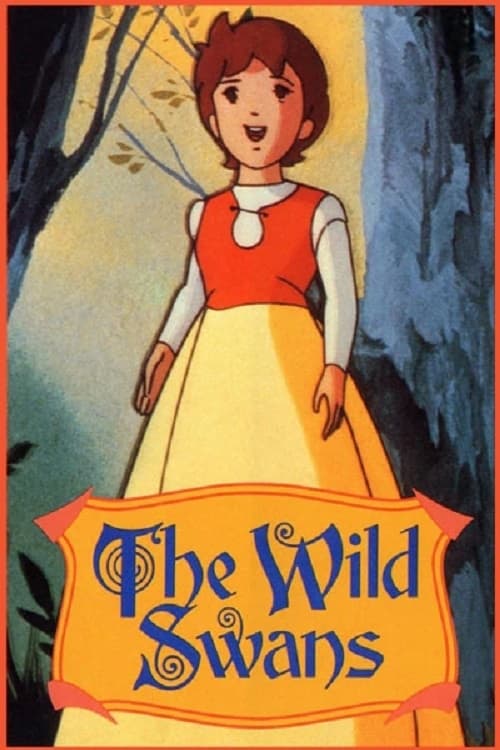
1977
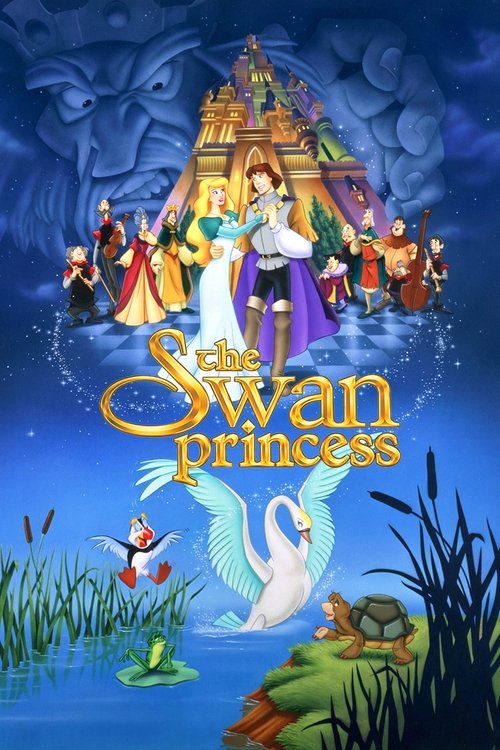
1994
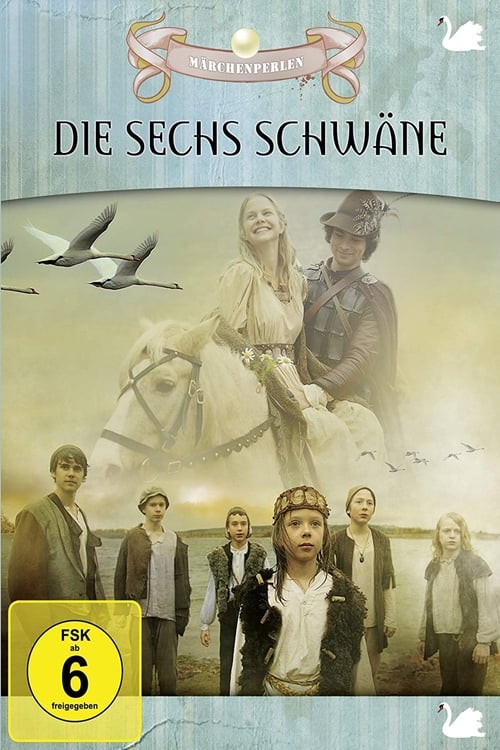
2012

1957
No reviews yet. Be the first to share your thoughts on this movie!
Use the rating form above to leave a star rating and optional review.