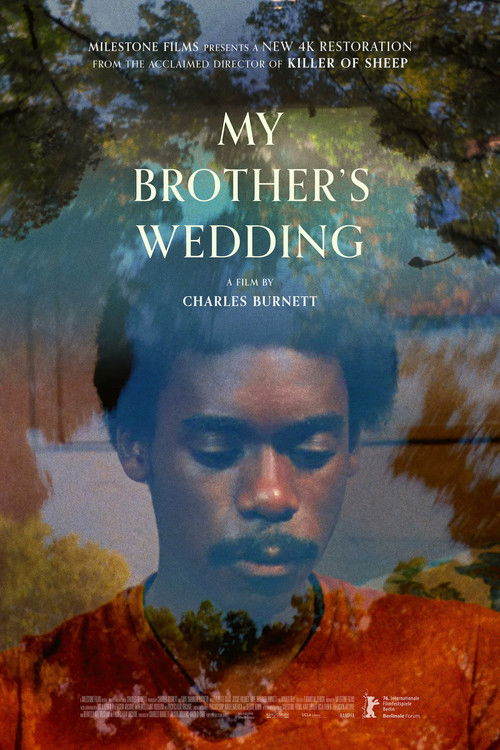
My Brother's Wedding
1985
No user ratings available yet
Representation score: 4.0 out of 10
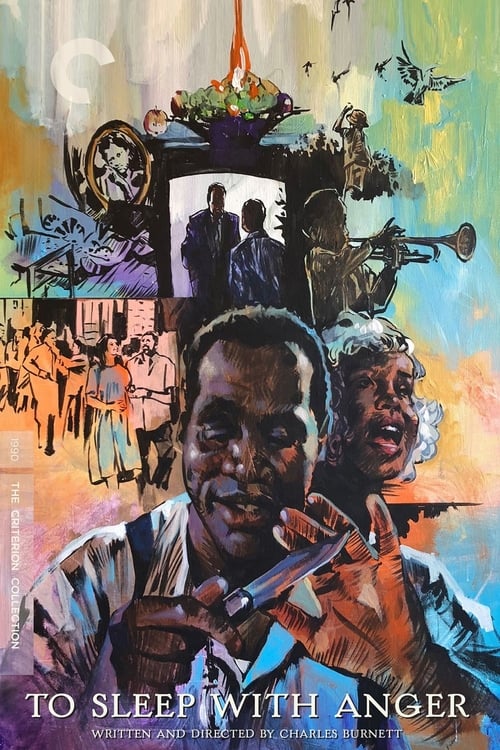
Representation Score
Good
1990
PGDirector
Charles Burnett
Runtime
102 minutes
Average Rating
No ratings yetNew Showbiz Analysis
Charles Burnett’s work is a masterful example of New Black Realism, prioritizing authentic community stories over Hollywood clichés. The film excels by centering Black experiences and deconstructing historical power dynamics through a sophisticated, non-stereotypical lens. While the film offers a powerful critique of racial and gender hierarchies, it lacks representation for LGBTQ+ identities and specific disabilities. The narrative is deeply rooted in the social realities of the Jim Crow era, which limits its scope regarding certain modern identity markers. Ultimately, the film succeeds as a piece of cinematic realism. It portrays underrepresented characters as complex individuals navigating systemic inequity rather than presenting them as passive victims.
Category Breakdown
The film focuses on the domestic structures of a Black family in the Jim Crow South. There is no presence of queer narratives or non-traditional gender identities.
The narrative disrupts traditional gender roles by centering the emotional strength and resilience of women. Masculinity is often shown through vulnerability and the psychological impact of systemic oppression.
The film achieves exceptional representation through an all-Black cast that emphasizes Black autonomy and dignity during a time of intense racial subjugation.
The story deconstructs the 'Southern myth' by showing the lived reality of Black Americans under Jim Crow. It explores the tension between individual survival and communal solidarity.
There is limited representation of characters with specific physical or neurodivergent disabilities. The focus remains on the collective psychological trauma caused by systemic racial oppression.
Present on Screen
Limited or Absent
Official Synopsis
An enigmatic drifter from the South comes to visit an old acquaintance who now lives in South-Central LA.
1985

1978
1984
1962
1969
1992
1995

1994
No reviews yet. Be the first to share your thoughts on this movie!
Use the rating form above to leave a star rating and optional review.