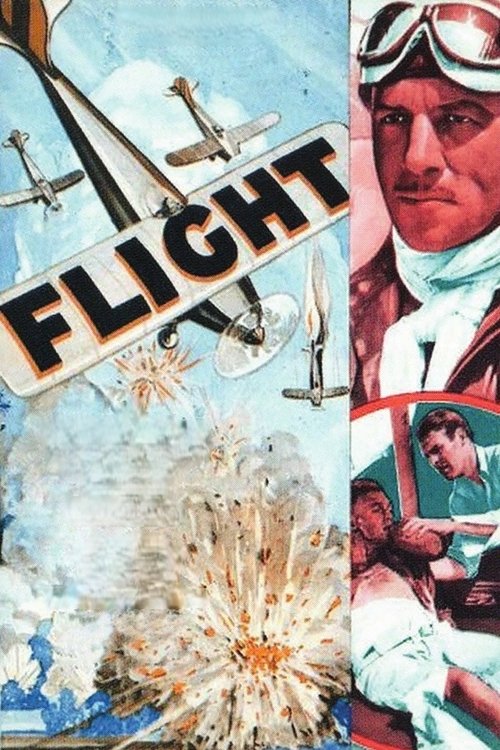
Flight
1929
No user ratings available yet
Representation score: 0.6 out of 10
Representation Score
Minimal
1929
PassedDirector
Gregory La Cava
Runtime
65 minutes
Average Rating
No ratings yetNew Showbiz Analysis
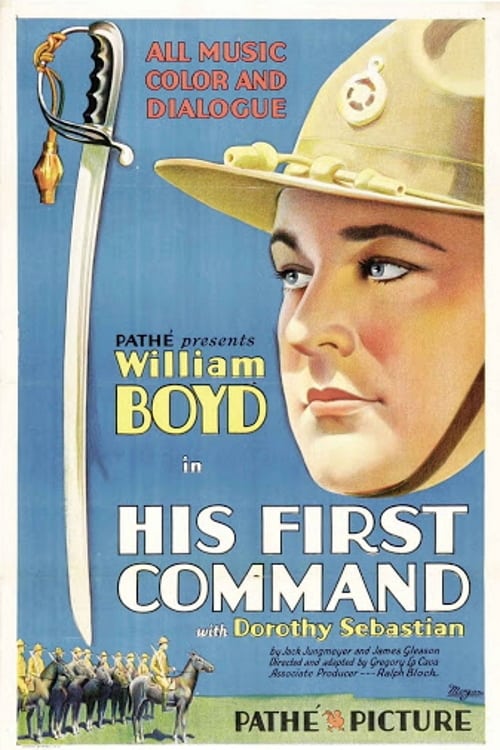
His First Command is a product of its time, marked by traditional casting and rigid gender roles. The film centers on a male protagonist's journey, leaving little room for diverse perspectives or non-straight relationships. However, it offers a nuanced critique of systemic power, examining the tension between religious institutions and human needs. It also highlights the socioeconomic disparity and the neglect of the poor by the affluent. Ultimately, while lacking racial and gender diversity, the film provides a degree of thematic depth by questioning institutional authority.
Category Breakdown
The film does not depict any LGBTQ+ identities and stays within traditional social and religious frameworks.
The male protagonist drives the story, while female characters have minor roles. Traditional gender hierarchies are reinforced.
The film focuses on a predominantly white, rural American community with no diverse or non-Anglo-Saxon characters.
The film explores the conflict between religious institutions and human suffering, critiquing the neglect of the poor and challenging absolute religious authority.
No characters with visible or invisible disabilities are included in the story, nor are there any disabled central figures.
Present on Screen
Limited or Absent
Official Synopsis
A playboy is in love with a woman and enters the army thinking it will improve his chances with her.
1929
1952
1942
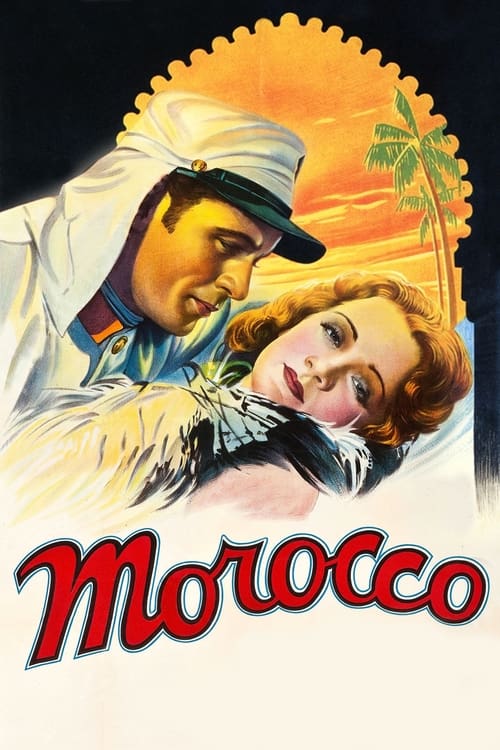
1930
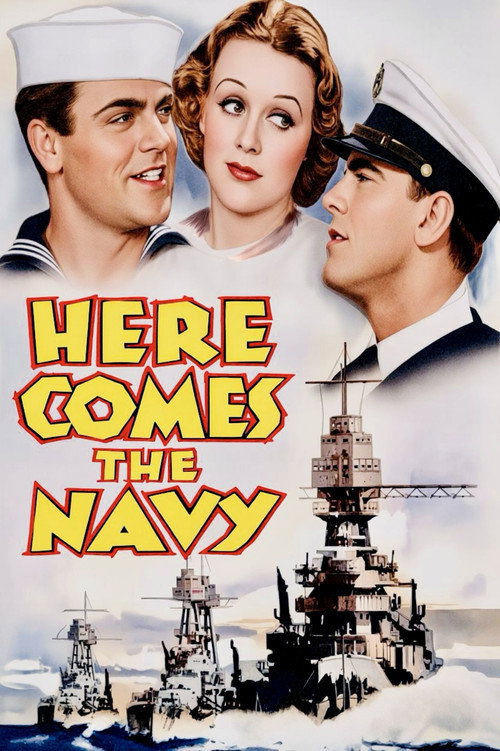
1934
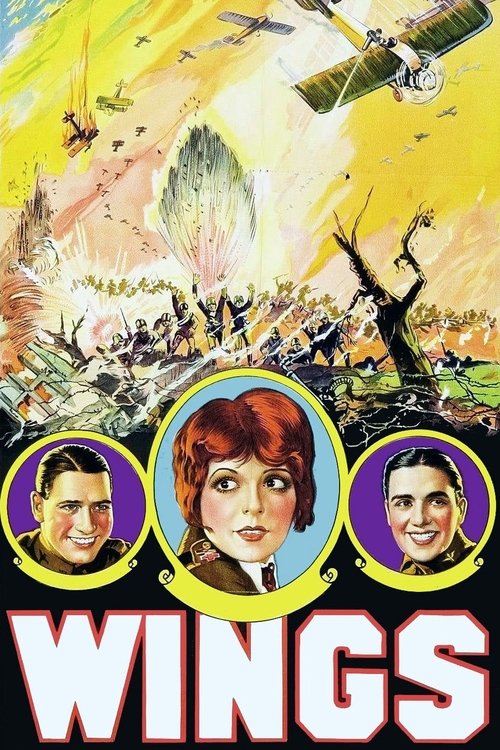
1927
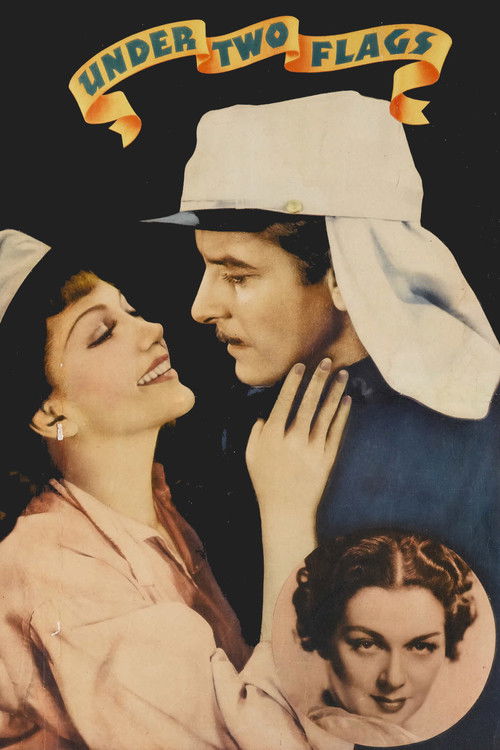
1936
1939
No reviews yet. Be the first to share your thoughts on this movie!
Use the rating form above to leave a star rating and optional review.