
Fukri
2017
No user ratings available yet
Representation score: 3.0 out of 10
Representation Score
Fair
2014
Director
Benny P Thomas
Runtime
158 minutes
Average Rating
No ratings yetNew Showbiz Analysis
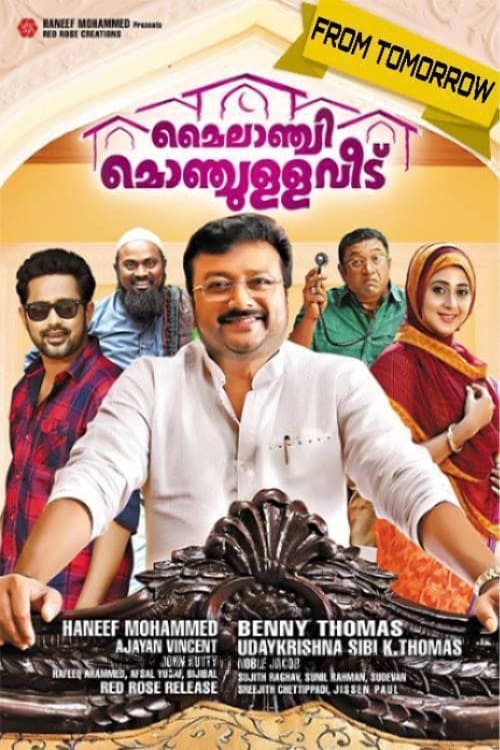
Mylanchi Monchulla Veedu follows a traditional family comedy format. The narrative depends on interpersonal conflict and the use of religious disguise to move the plot forward. While the film incorporates specific cultural and religious identities, it does not seem to challenge broader social structures. Instead, it focuses on reconciliation and the aftermath of a past elopement. The portrayal of disability and gender remains somewhat functional, serving the story's progression rather than providing deeper, subversive character studies.
Category Breakdown
The film does not include any queer narratives or non-straight relationships. The main plot revolves around a traditional marriage between a man and a woman.
Wahida takes a leading role by eloping, but the story is mostly driven by male characters. The narrative follows a conventional family structure without challenging traditional gender roles.
The story highlights regional South Asian cultural nuances. It uses religious identity as a key element to explore communal boundaries.
The film explores religious identity and family conflicts. It treats social and religious boundaries as important elements within the plot.
Kasim, a paralyzed character, introduces physical disability into the story. It is unclear whether his role offers him a significant role in driving the story or if he serves mainly as a plot device.
Present on Screen
Limited or Absent
Official Synopsis
Kasim's daughter, Waahida, elopes with her boyfriend, Madhavan Kutty, on the day of her wedding. Years later, Madhavan Kutty, in the disguise of a Muslim man, goes to treat the now paralysed Kasim.
2017
2006
2013
2019
2010
2012
2003
2017
No reviews yet. Be the first to share your thoughts on this movie!
Use the rating form above to leave a star rating and optional review.