
Scott of the Antarctic
1948
No user ratings available yet
Representation score: 0.2 out of 10
Representation Score
Fair
1969
GDirector
Mikhail Kalatozov
Runtime
158 minutes
Average Rating
No ratings yetNew Showbiz Analysis
The Red Tent stands out from typical Western epics by focusing on the perspectives of individuals within a tribal hierarchy. Instead of a straightforward religious biography, the film delves into the societal pressures of an agrarian, patriarchal society. The production succeeds in ethnic authenticity by using a cast that reflects the geographic reality of the Levant. This commitment to historical accuracy provides a more grounded and non-Anglo-Saxon representation compared to many contemporary period pieces. While the film does not include representation for LGBTQ+ identities or disabilities, it offers a nuanced examination of gender hierarchies. It effectively explores the tension between individual autonomy and the rigid constraints of ancient social structures.
Category Breakdown
The film focuses on the patriarchal and tribal structures of the ancient Levant. There is no indication of non-traditional gender identities or same-sex relationships in the story.
The narrative challenges historical clichés by emphasizing the experiences of women. It highlights the roles and sexual politics of female characters within a strictly patriarchal society.
The production uses a cast of Middle Eastern and Mediterranean actors to maintain historical authenticity. This avoids the whitewashing common in Western epics of the time.
The film explores the conflict between personal desires and oppressive religious institutions. It presents tribal justice through the lens of historical necessity rather than modern morality.
There is no apparent depiction of physical or cognitive disabilities in the narrative.
Present on Screen
Limited or Absent
Official Synopsis
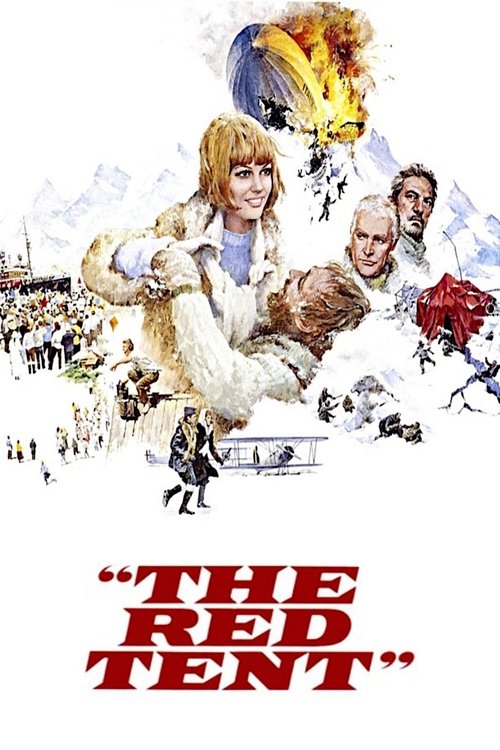
Torn by personal guilt, Italian General Umberto Nobile reminisces about his 1928 failed Arctic expedition aboard the airship Italia.
1948
1960
1990
1979
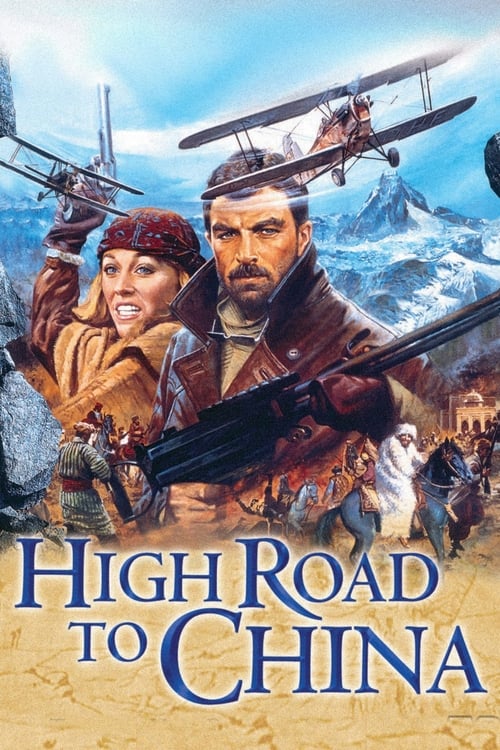
1983

1939

1982

1966
No reviews yet. Be the first to share your thoughts on this movie!
Use the rating form above to leave a star rating and optional review.