From This Day Forward
2015
No user ratings available yet
Representation score: 8.8 out of 10
Representation Score
Good
2008
Not RatedDirector
Kimberly Reed
Runtime
86 minutes
Average Rating
No ratings yetNew Showbiz Analysis
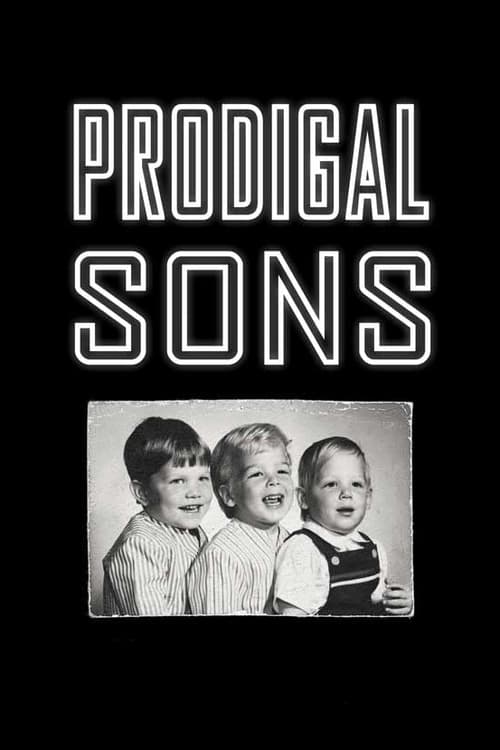
Prodigal Sons is a compelling documentary that uses a personal homecoming to challenge systemic expectations of identity. By placing a transgender woman's perspective at the center, the film effectively dismantles traditional domestic hierarchies and gender binaries. The film excels in its intentional approach, allowing the subject to maintain control over her story. This self-authored method facilitates a nuanced exploration of navigating established social structures with a non-cisgender identity. However, the film's focus remains narrow, primarily examining identity through the lenses of gender and socioeconomic status. This results in a lack of racial diversity and limited visibility for disability or neurodivergence.
Category Breakdown
The film centers a transgender identity at the heart of its narrative. It avoids sensationalism by focusing on the everyday experiences of transitioning and how these experiences affect family dynamics.
The narrative challenges traditional gender roles by focusing on a woman's journey towards self-realization. It highlights the tension between authentic identity and societal expectations in a small town setting.
The story revolves around a predominantly white, domestic family unit. There is no significant racial or ethnic diversity within the core family structure.
The film critiques traditional nuclear families and Western institutions. It emphasizes individual authenticity over adherence to traditional social or religious norms.
While the film explores themes of severe trauma, there is no clear depiction of specific physical or neurodivergent disabilities.
Present on Screen
Limited or Absent
Official Synopsis
Filmmaker Kimberly Reed returns home for her high school reunion, ready to reintroduce herself to the small town as a transgender woman and hoping for reconciliation with her long-estranged adopted brother Marc. Things are complicated by the shocking revelation that Marc may be the grandson of Orson Welles and Rita Hayworth, forcing Kim and her family to explore questions of sexual orientation, identity, severe trauma and love.
2015

2017

2007

2021

2002

2024

2019

2015
No reviews yet. Be the first to share your thoughts on this movie!
Use the rating form above to leave a star rating and optional review.