
Iron Lady
1983
No user ratings available yet
Representation score: 5.5 out of 10
Representation Score
Fair
1982
Director
Yorgos Apostolidis, Yannis Smaragdis, Yiannis Typaldos
Runtime
116 minutes
Average Rating
No ratings yetNew Showbiz Analysis
What a Mess is a meta-cinematic satire that prioritizes the deconstruction of Greek cinematic genres over the representation of specific demographic identities. It targets the clichés of police procedurals and historical epics from the early 1980s. The film effectively challenges national myths and traditional masculine archetypes, making it a culturally significant work. However, its focus on genre parody means it lacks explicit characters who reflect more than one aspect of diversity, emphasizing storytelling mechanics over the lived experiences of underrepresented groups.
Category Breakdown
The film does not explore LGBTQ+ identities or non-straight relationships. Instead, its focus is on genre parody rather than identity issues.
The film challenges traditional hyper-masculine hero stereotypes found in police dramas and historical epics. However, it does not delve deeply into female empowerment or gendered power dynamics.
The story centers on Greek culture and local traditions. It does not use diverse casting to challenge ethnic hierarchies, focusing instead on internal cultural shifts.
The film critiques national myths and institutional storytelling using satire. It mocks traditionalist structures and the 'official' histories of nationalist cinema.
There is no documented evidence regarding the portrayal of physical or neurodivergent disabilities in this work.
Present on Screen
Limited or Absent
Official Synopsis
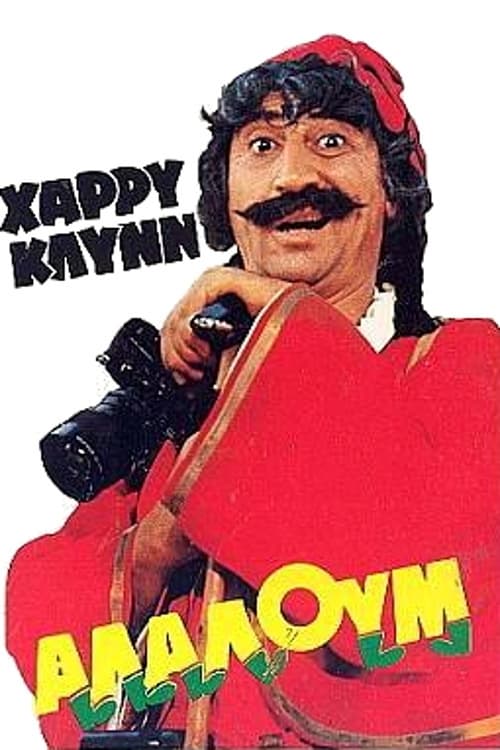
Three short stories satirizing the Greece of “Change” in early 80's. A take-off on the police dramas of Giannis Maris; a satire of the films of the New Greek Cinema; and a satire of the “fustanella (Greek kilt)” films as well.
1983

1979

1999

1963

1964

1959

1982

1962
No reviews yet. Be the first to share your thoughts on this movie!
Use the rating form above to leave a star rating and optional review.