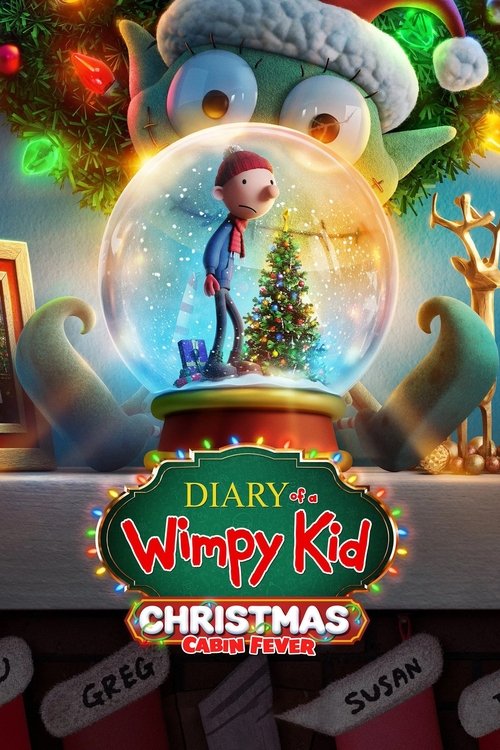
Diary of a Wimpy Kid Christmas: Cabin Fever
2023
No user ratings available yet
Representation score: 5.0 out of 10
Representation Score
Minimal
2012
PGDirector
David Bowers
Runtime
3 minutes
Average Rating
No ratings yetNew Showbiz Analysis
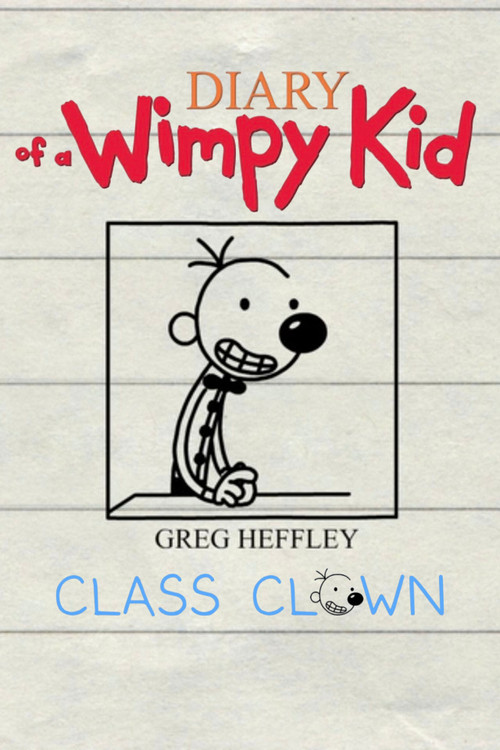
Diary of a Wimpy Kid: Class Clown opens with Greg Heffley’s anxious voiceover, immediately framing the film as a study in suburban male insecurity. The animated visuals are bright and safe, depicting a world where the only threats are social embarrassment and the failure to perform masculinity correctly. The film’s argument is simple: authentic loyalty, embodied by the earnest Rowley Jefferson, is superior to the performative coolness of Greg’s schemes. This moral is sold through a series of physical gags where Greg’s attempts to avoid responsibility or steal the spotlight result in public humiliation, while Rowley’s passive trust is rewarded with emotional validation. The film’s internal logic reinforces traditional hierarchies without critique. The father figure is a source of exasperation but never a true antagonist; his anger serves only to push Greg toward maturity. The school setting is a meritocracy where kindness is the only currency, and the social order is never questioned. The last image, a quiet moment of camaraderie between Greg and Rowley, settles the film’s values: male friendship is the ultimate reward, and emotional vulnerability is the path to social acceptance. This is a conservative narrative that treats whiteness, heterosexuality, and middle-class suburbia as the unmarked default. There is no tension with race, gender, or disability; these categories are simply absent, allowing the film to focus entirely on the internal dynamics of a homogeneous boy group. The sold meaning is that stability comes from conforming to social expectations and valuing loyalty over ambition. The camera loves Rowley’s sincerity and mocks Greg’s insecurity, but it does so within a framework that never challenges the status quo. The film is a safe, unproblematic reinforcement of traditional suburban values, where the only conflict is personal and the resolution is emotional.
Category Breakdown
No same-sex intimacy or non-heteronormative markers appear. The narrative focuses exclusively on heterosexual male friendship dynamics, leaving LGBTQ+ representation entirely absent from the on-screen inventory.
Women are absent or relegated to background roles. The story centers on male social anxiety, framing emotional vulnerability as a flaw to be overcome through competitive male bonding.
The cast is entirely white, reflecting the source material’s suburban demographic. No racial conflict or interaction is depicted; the social world remains homogeneous and unmarked by ethnic difference.
The nuclear family and school are treated as safe, orderly institutions. Authority figures are exasperated but supportive, reinforcing conventional suburban values where merit is defined by social conformity.
No characters have physical, sensory, or cognitive disabilities. Social anxiety is treated as a temporary character flaw rather than an identity, leaving disabled bodies and experiences unrepresented.
Present on Screen
Limited or Absent
Official Synopsis
An animated short where Greg tries to win class clown.
2023
2010
2011

2011
1994
2017
2020

2017
No reviews yet. Be the first to share your thoughts on this movie!
Use the rating form above to leave a star rating and optional review.